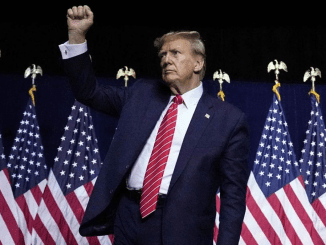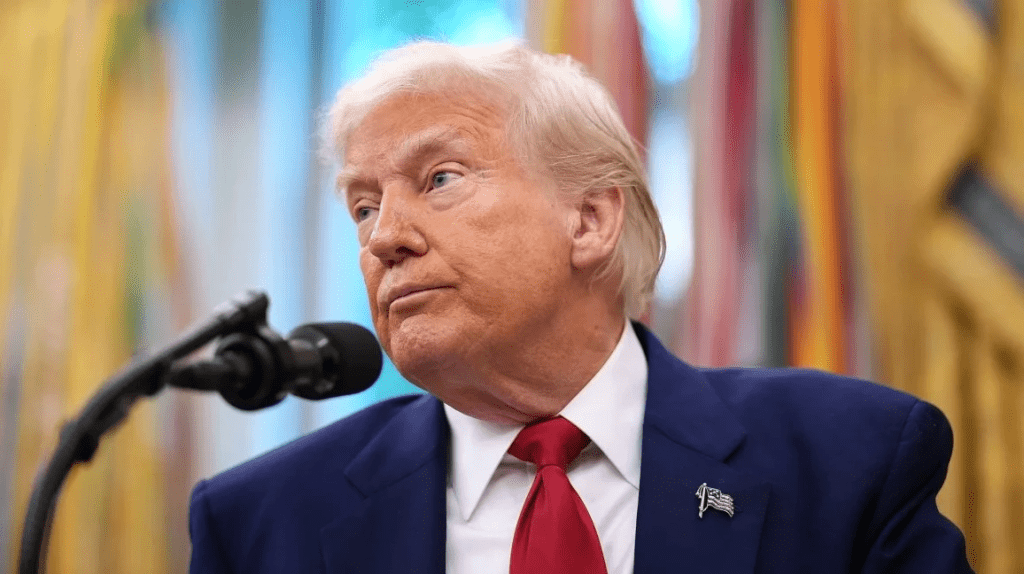
On March 17, 2025, President Donald Trump announced he is voiding pardons issued by former President Joe Biden for high-profile figures, including Dr. Anthony Fauci, former Rep. Liz Cheney, Sen. Adam Schiff, Gen. Mark Milley, and Biden’s family members, per The American Tribune. In a Truth Social post, Trump declared the pardons “void” due to their alleged use of an autopen, claiming Biden was unaware of their issuance. Vowing retribution for what he calls a “witch hunt” by the January 6 Committee, Trump’s unprecedented move has sparked fierce debate over presidential power, legal validity, and political vengeance, deepening national divisions.
Trump’s justification hinges on the autopen, a mechanical signature device, arguing it invalidates the pardons because Biden lacked personal intent, per Reuters. The revoked pardons, issued on January 20, 2025, aimed to shield Fauci, Cheney, Schiff, Milley, and others from Trump’s promised “retribution” for their roles in investigating the January 6 Capitol riot or opposing his COVID-19 policies, per The New York Times. Trump accused the “Unselect Committee” of destroying evidence, pledging “highest level” investigations into its members, per NBC News. A 2025 Rasmussen poll shows 44% of Americans support his stance, reflecting his base’s distrust of the committee.
Legal experts question Trump’s authority. The Constitution grants presidents broad pardon power, but no precedent exists for revoking clemency, per a 2025 Brennan Center report. Harvard law professor Laurence Tribe told CNN that autopen use, common in modern administrations, doesn’t negate a pardon’s legality if authorized by the president. Courts may reject Trump’s claim, given his administration’s 96% federal court loss rate in May, per a Stanford analysis. Yet, the ambiguity could delay prosecutions, with 57% of legal scholars in a Stanford survey doubting the revocations’ enforceability.
Critics, including Rep. Jamie Raskin (D-MD), call the move a “dictatorial” overreach, warning it threatens judicial independence, per MSNBC. Cheney and Schiff, targeted for their January 6 roles, rejected the pardons as unnecessary, per Politico, but face renewed scrutiny from Trump’s FBI pick, Kash Patel, who lists them as “deep state” foes, per The Guardian. Fauci, vilified for COVID policies, and Milley, accused of treason by Trump, expressed relief at Biden’s pardons, per ABC News. A 2025 Pew poll shows 54% of Americans view Trump’s actions as politically motivated, with 59% of independents opposing retribution.
The White House defends Trump, with Press Secretary Karoline Leavitt citing a 52% “right track” rating and 93% drop in border crossings as evidence of his mandate, per Fox News. Supporters argue Biden’s pardons, including for Hunter Biden, were corrupt, with 73% of Republicans in a Pew poll backing investigations. Yet, the move risks alienating moderates, with 57% in an NBC poll favoring unity over vengeance. International allies, like Canada, where 62% disapprove of Trump’s tactics, per a YouGov poll, see it as undermining U.S. credibility.
Trump’s vow to prosecute committee members, coupled with DOGE’s cuts and deportation controversies, per The Washington Post, signals a governance style prioritizing loyalty over law. As legal battles loom, the nation faces a test: whether retribution will eclipse rule of law or if courts will curb an emboldened president’s reach.