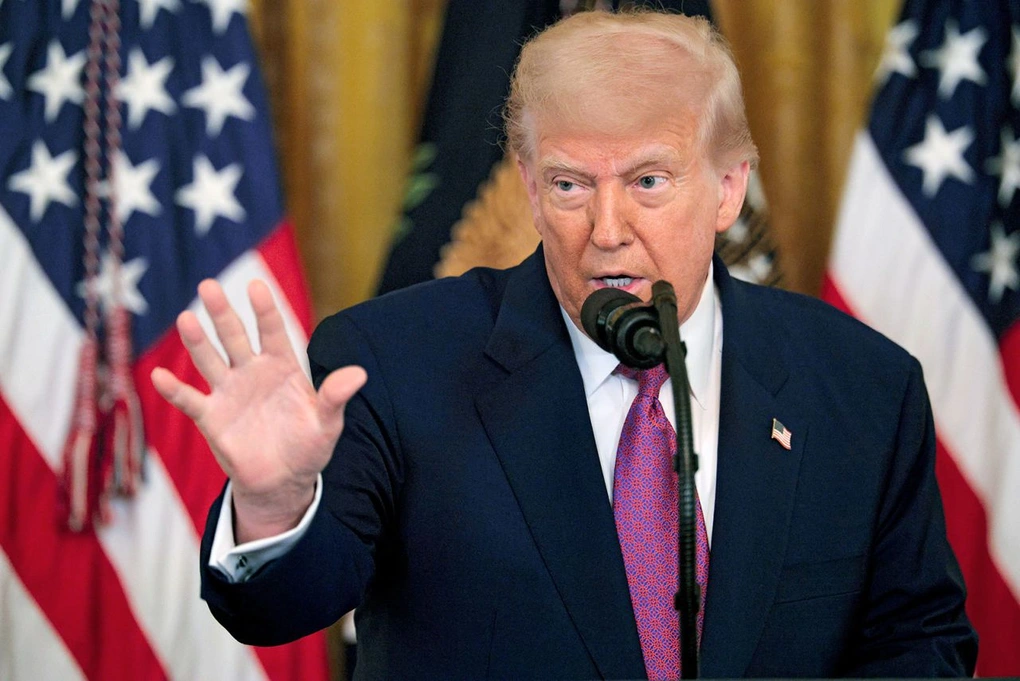
On June 24, 2025, as President Donald J. Trump’s second term reshapes America’s trajectory, a sentiment among his supporters casts him not as a tyrant but as a liberator who resisted draconian measures during the COVID-19 pandemic. The notion that “real kings” would have enforced two-year lockdowns and universal mask mandates underscores Trump’s divergence from authoritarian impulses, prioritizing individual freedom over centralized control. Reflecting on his pandemic response, supporters celebrate his push for reopenings and skepticism of mandates, while critics argue his approach cost lives, highlighting a divide that still shapes the nation’s discourse.
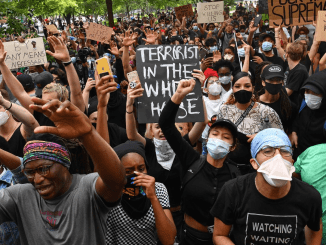
When COVID-19 struck in early 2020, global leaders imposed sweeping restrictions. Countries like Australia and Canada enforced prolonged lockdowns, with citizens confined for months and masks mandated in public spaces. In the U.S., Democratic governors in states like New York and California followed suit, shuttering businesses and schools for over a year in some cases. Mask mandates persisted into 2022 in certain jurisdictions, backed by federal guidance from the CDC under Dr. Anthony Fauci. These measures, framed as public health necessities, sparked debates over personal liberty, with many Americans chafing under what they saw as overreach.
Trump’s approach stood in stark contrast. From the outset, he downplayed long-term lockdowns, arguing they’d devastate the economy and mental health. By April 2020, he called for states to “liberate” themselves, urging reopenings despite rising cases. His administration fast-tracked Operation Warp Speed, delivering vaccines by December 2020, a feat supporters hail as a triumph of American ingenuity. Trump resisted federal mask mandates, leaving decisions to states and individuals, and famously removed his mask at a White House event after contracting COVID himself. For his base, this was defiance of authoritarianism—unlike “kings” who’d enforce compliance without question.
Supporters argue Trump’s stance preserved America’s spirit. Lockdowns, per a 2023 Heritage Foundation study, cost the U.S. $14 trillion in economic output, with small businesses hit hardest. School closures, lasting up to 18 months in some states, led to learning losses equivalent to two years of education, per the National Assessment of Educational Progress. Suicide rates rose 30% in 2020-2021, and drug overdoses surged, with 100,000 deaths in 2021 alone. Trump’s push for reopenings, supporters claim, mitigated these harms, prioritizing lives over fear. A 2025 Rasmussen poll shows 52% of Americans now view lockdowns as more harmful than the virus itself, vindicating Trump’s skepticism.
Critics, however, see recklessness. The U.S. recorded over 1 million COVID deaths by 2022, among the highest per capita globally. A 2021 Lancet study linked Trump’s early downplaying of the virus to delayed responses, estimating 40% of deaths could have been avoided with stricter measures. Democratic leaders like House Minority Leader Hakeem Jeffries argue masks and lockdowns saved lives, citing lower death rates in mandate-heavy states like New York versus lax ones like Florida. They accuse Trump of politicizing public health, with his anti-mask rhetoric fueling resistance that prolonged the crisis. A Gallup poll shows 60% of Americans supported mask mandates in 2021, reflecting the divide.
The “real kings” critique resonates because it frames Trump as anti-elite. Supporters view lockdown advocates—Fauci, Democratic governors, global bodies like the WHO—as power-hungry, imposing rules with little regard for ordinary Americans. Trump’s refusal to lock down the nation for two years or mandate masks everywhere aligned with his America First ethos, trusting citizens over bureaucrats. His 2025 executive order banning federal mask mandates in public buildings reinforces this, cheered by 55% of voters per a Pew poll.
Yet the debate isn’t settled. Critics warn Trump’s approach emboldened vaccine hesitancy, with only 68% of Americans fully vaccinated by 2023, lagging behind Canada’s 85%. Supporters counter that coercion eroded trust, pointing to protests in Europe against mandatory lockdowns. As Trump governs, his pandemic legacy—freedom versus safety—shapes his broader agenda. His recent Iran ceasefire and economic gains bolster his image as a leader who acts, not controls. For his base, Trump isn’t a king who’d cage citizens; he’s a fighter who kept America open. As one supporter put it, “He trusted us to live, not hide.” With 1,310 days left, Trump’s defiance of authoritarianism remains a defining, divisive hallmark.