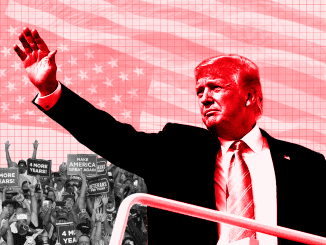
WASHINGTON, D.C., August 24, 2025 — President Donald Trump’s push to remove undocumented immigrants from Medicaid has sparked fierce debate over taxpayer costs and healthcare access. The One Big Beautiful Bill, passed by the House in May, aims to penalize states like California and Illinois for using state funds to provide healthcare to undocumented immigrants, projecting federal savings of $11 billion by 2034. Proponents, including House Republicans, argue that barring undocumented immigrants from state-funded programs mislabeled as Medicaid protects taxpayer dollars and prioritizes citizens. They claim these programs, covering 1.4 million people, strain resources meant for vulnerable Americans.
Critics counter that undocumented immigrants are already ineligible for federal Medicaid, except for emergency care, and state-funded programs address critical coverage gaps. The Congressional Budget Office estimates the bill could leave 1.4 million uninsured, increasing hospital costs and uncompensated care. Democratic governors, like California’s Gavin Newsom, argue the policy infringes on state rights and harms communities, noting undocumented immigrants contribute billions in taxes. Studies, including one from the National Immigration Forum, show their tax contributions bolster programs like Medicaid.
The proposal, now under Senate review, could force states to drop coverage or face steep federal funding cuts, potentially affecting citizens in Medicaid expansion programs. Illinois and Utah’s “trigger” laws may end expansion entirely if federal matching rates drop. As the 2026 midterms approach, the issue remains a flashpoint, balancing fiscal responsibility against humanitarian concerns.