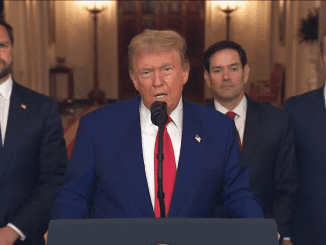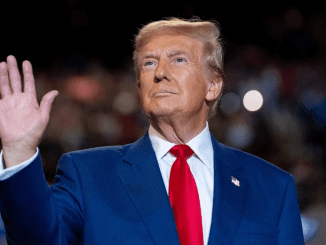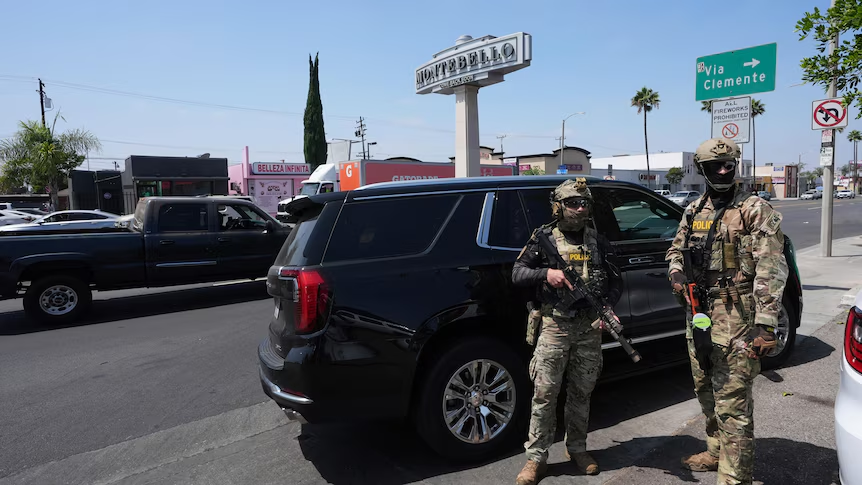
In a landmark 6-3 ruling on September 9, 2025, the U.S. Supreme Court sided with President Donald Trump, affirming his authority to deploy the National Guard in U.S. cities to arrest undocumented immigrants. The decision lifts restrictions imposed by lower courts, notably overturning a California judge’s order that barred such deployments in Los Angeles for violating the Posse Comitatus Act. The ruling asserts that states cannot block federal military actions for immigration enforcement, marking a major victory for Trump’s aggressive deportation agenda.
Chief Justice John Roberts, writing for the majority, argued that the federal government’s immigration powers supersede state objections, allowing Guard troops to assist ICE in apprehending suspects. The decision permits considerations like ethnicity and language as part of “reasonable suspicion” for stops, though not as sole factors. Liberal justices, led by Sonia Sotomayor, dissented, warning of potential abuses and constitutional violations, particularly in minority communities.
The ruling follows heated clashes between Trump and sanctuary state leaders like California’s Gavin Newsom, who called it a “dangerous overreach.” Chicago and Boston, bracing for ICE surges, now face heightened federal pressure. Supporters argue the decision strengthens border security and public safety, citing over 5,700 arrests in recent operations. Critics fear it greenlights militarized policing, risking civil liberties.
As Trump’s administration expands raids nationwide, the ruling reshapes the balance between federal and state powers, intensifying debates over immigration enforcement in urban centers.