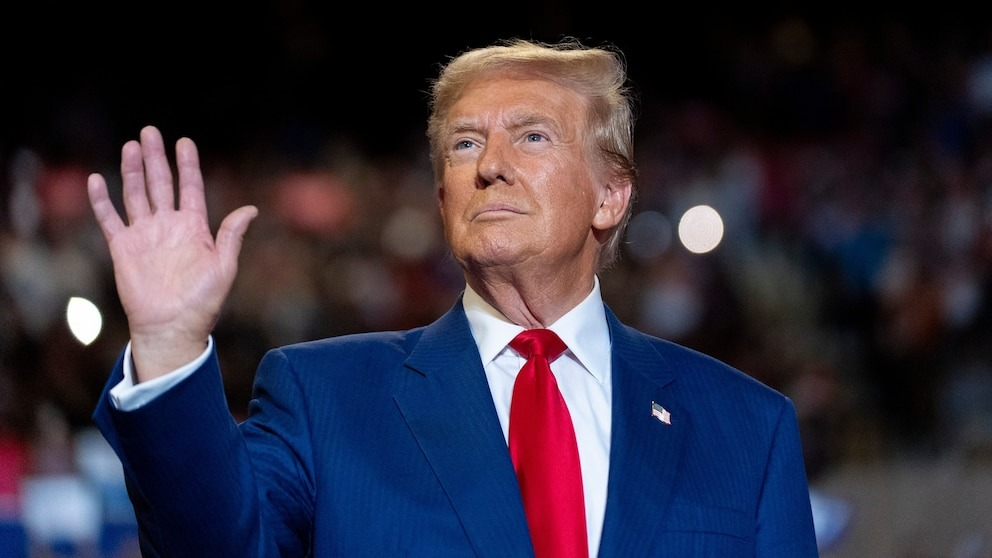
President Donald Trump’s directive to Congress on May 31, 2025, demanding the elimination of all federal funding for so-called sanctuary cities has reignited a contentious battle over immigration policy. Reported by CBS News, the move targets jurisdictions like Chicago and New York that limit cooperation with federal immigration enforcement, fulfilling a core campaign promise. Yet, it raises a stark question: Is this the policy Americans voted for? The proposal, tied to Trump’s aggressive deportation agenda, divides the nation, pitting public safety concerns against fears of overreach and economic harm.
Trump’s call, framed as a crackdown on “criminal-protecting” cities, aligns with his April 29 executive order instructing the Justice and Homeland Security Departments to identify sanctuary jurisdictions for funding cuts, per Fox News. He argues these cities, by refusing to honor ICE detainer requests, shield undocumented immigrants who commit crimes, citing cases like a fatal crash involving an unlicensed migrant driver, per The New York Post. The administration touts a 93% drop in border crossings and a 655% spike in terrorist-related arrests, per CBP data, to bolster its case. A Rasmussen poll shows 44% of Americans support defunding sanctuary cities, reflecting significant backing among Trump’s base.
Critics, however, warn of dire consequences. Sanctuary cities, lacking a strict legal definition, often restrict local police from sharing immigration status with ICE to build community trust, per The Guardian. Chicago, which received $2.5 billion in federal grants last year, spent only 1.85% on migrants, per city data, yet could lose funding for unrelated programs like infrastructure, per CBS News. Mayors like Chicago’s Brandon Johnson, testifying in March, argue these policies enhance safety by encouraging crime reporting, per Newsweek. A 2025 Pew poll shows 54% of Americans oppose blanket defunding, with 71% of Democrats viewing it as punitive.
Legal hurdles loom large. Federal courts, including the 9th Circuit in 2018, have ruled that withholding broad federal funds from sanctuary cities violates the Constitution’s Spending Clause, per PBS News. A 2025 injunction by Judge William Orrick blocked similar Trump efforts, citing separation of powers, though a 2020 2nd Circuit ruling allowed limited grant restrictions, per The New York Times. With Congress controlling appropriations, Trump’s demand faces resistance, especially from Democrats holding Senate leverage. Rep. Hakeem Jeffries called it “extortion,” per NBC News.
The economic stakes are high. Defunding could cripple services in cities like San Francisco, which successfully challenged Trump’s 2017 order, per Reuters. A 2025 Brennan Center report estimates $1.2 billion in public safety losses if grants like the $250 million Byrne JAG program are cut. Meanwhile, sanctuary policies contribute $8.5 billion in taxes from undocumented immigrants in California alone, per Newsweek. The debate splits voters: 59% in an NBC poll prioritize community safety over federal compliance.
Trump’s push, backed by a 52% “right track” rating, per Rasmussen, resonates with supporters but risks alienating moderates. The defunding rhetoric, echoing his first term’s legal defeats, may galvanize opposition in blue states, where mayors vow to resist, per Bloomberg. As Congress weighs the proposal, the question lingers: Did voters back Trump for unity or division? The answer will shape America’s cities and its moral fabric.