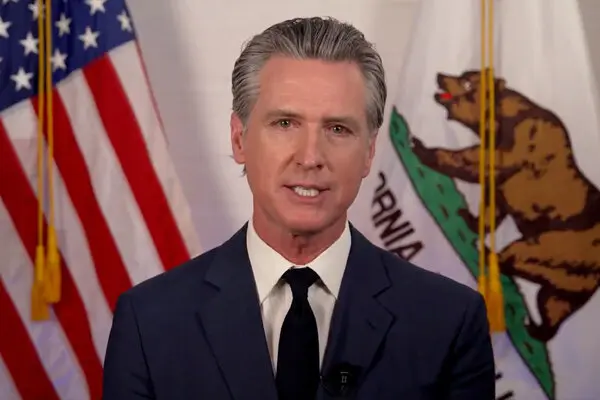
As California grapples with escalating riots tied to anti-ICE protests, a growing chorus is demanding that Governor Gavin Newsom personally cover the hospital bills of police officers injured in the line of duty. With dozens of officers hospitalized and medical costs mounting, critics argue that Newsom’s policies—particularly his resistance to federal immigration enforcement—have fueled the violence, leaving law enforcement to bear the physical and financial toll. The call for accountability is raising tough questions about leadership and responsibility in a state on edge.
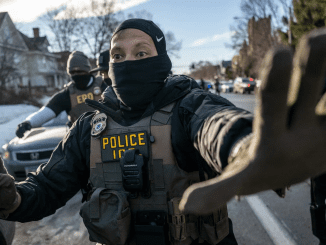
The riots, erupting in cities like Los Angeles and San Francisco, have turned chaotic since President Trump’s expanded ICE operations began targeting 3,000 daily arrests nationwide. In Los Angeles alone, 47 officers were injured last week, with injuries ranging from concussions to broken bones after clashes with protesters who looted 18 businesses and torched vehicles. San Francisco reported 22 officers hospitalized, some struck by projectiles during a protest that left $2.3 million in damages. The statewide medical tab for injured officers is estimated at $1.8 million and climbing, straining police budgets already stretched thin.
Critics pin the blame on Newsom’s stance as a vocal opponent of Trump’s immigration crackdown. California’s sanctuary state policies, enshrined in law under Newsom’s leadership, limit local cooperation with ICE, a move many argue emboldens protesters and fuels unrest. The governor’s public criticism of federal deportation efforts, coupled with his calls for “de-escalation” in policing, has drawn ire from law enforcement unions. The California Police Chiefs Association blasted Newsom, claiming his rhetoric “emboldens lawlessness,” leaving officers vulnerable to attacks during riots mislabeled as “peaceful” by some Democratic allies.
The idea that Newsom should personally pay hospital bills stems from frustration with what critics see as his failure to prioritize public safety. Officers, often caught between enforcing order and avoiding accusations of brutality, face escalating dangers. In San Diego, a sergeant was hospitalized after being struck by a Molotov cocktail, while in Oakland, a rookie officer suffered a fractured jaw. Families of injured officers, alongside conservative lawmakers, argue that Newsom’s policies have created a climate where such violence thrives, and he should bear the financial consequences.
Defenders of Newsom counter that the governor isn’t directly responsible for individual acts of violence. They argue that the riots stem from broader tensions over federal immigration policies, not state leadership. Newsom has condemned the violence, calling for peaceful protest while pledging support for law enforcement. His office points to $50 million in recent funding for police training and mental health resources as evidence of commitment to officer safety. Critics, however, dismiss this as insufficient, noting that California’s budget surplus could cover medical costs if redirected from what they call “wasteful” social programs.
The demand for Newsom to pay is largely symbolic, as no legal mechanism exists to hold him personally liable. Yet, it reflects a deeper anger among Californians who feel their state is spiraling into chaos. With 48% of Americans supporting ICE’s operations, per recent polls, Newsom’s defiance of federal policy puts him at odds with a significant chunk of voters, even in liberal California. As riots continue, the call for accountability grows louder, with officers’ hospital bills becoming a rallying cry for those demanding stronger leadership.
California faces a reckoning. While Newsom’s defenders argue he’s navigating a complex crisis, the mounting injuries and costs tell a different story. Whether he pays the bills or not, the governor’s handling of the unrest will shape his legacy—and the state’s future.