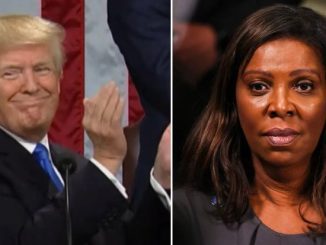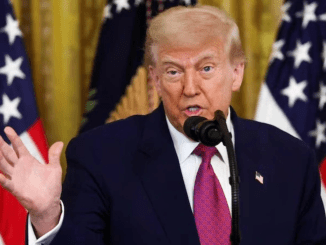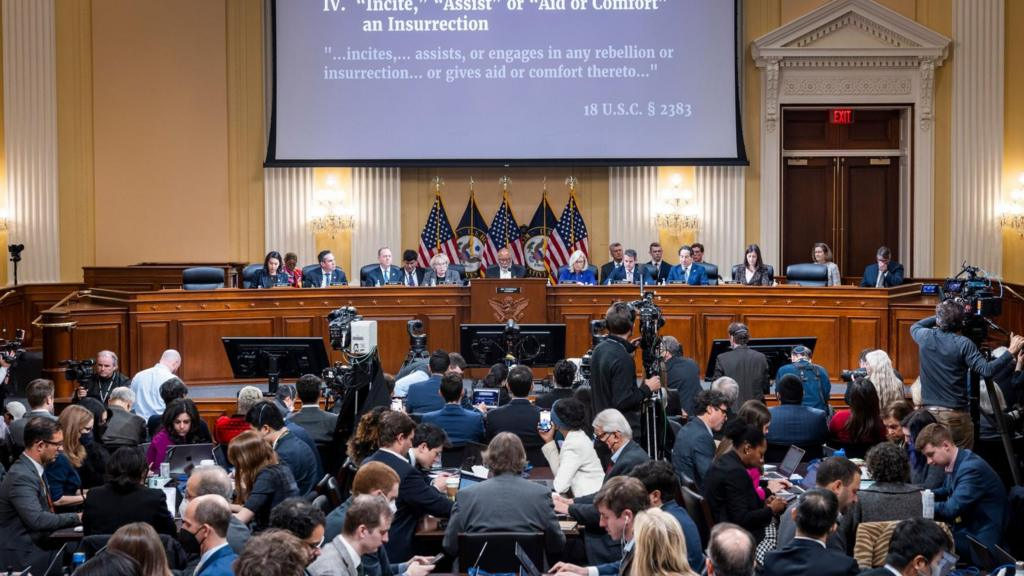
The question of whether members of the House Select Committee investigating the January 6, 2021, Capitol attack should face treason charges has ignited fierce debate. Sparked by former President Donald Trump’s calls for prosecution, supporters argue the committee, led by Rep. Bennie Thompson and former Rep. Liz Cheney, engaged in a biased probe that misrepresented evidence to target Trump. They claim the committee’s actions, like allegedly suppressing exculpatory videos, constitute fraud and betrayal of public trust, with Trump labeling them “political hacks” on December 8, 2024.
Critics of the treason charge, including legal scholars, argue it’s baseless. Treason, defined under Article III of the Constitution, requires levying war against the U.S. or aiding its enemies, a high bar not met by the committee’s work. The panel, established July 1, 2021, investigated Trump’s role in inciting the riot, unanimously recommending charges like obstruction and conspiracy. Cheney dismissed Trump’s accusations as “lies,” emphasizing the committee’s bipartisan evidence, including testimony that Trump knew he lost the 2020 election. Over 500 rioters faced charges, but none for treason, underscoring the legal complexity.
Democrats, like Rep. Jamie Raskin, call the accusations a political stunt to deflect from Trump’s actions, which some, like former prosecutor Glenn Kirschner, argue could qualify as treason. The debate, amplified by Trump’s pardon promises for January 6 defendants, highlights deep divisions over accountability and free speech. As legal battles loom, charging committee members with treason remains unlikely but fuels ongoing tensions.