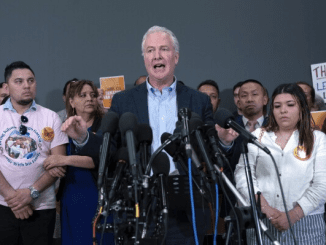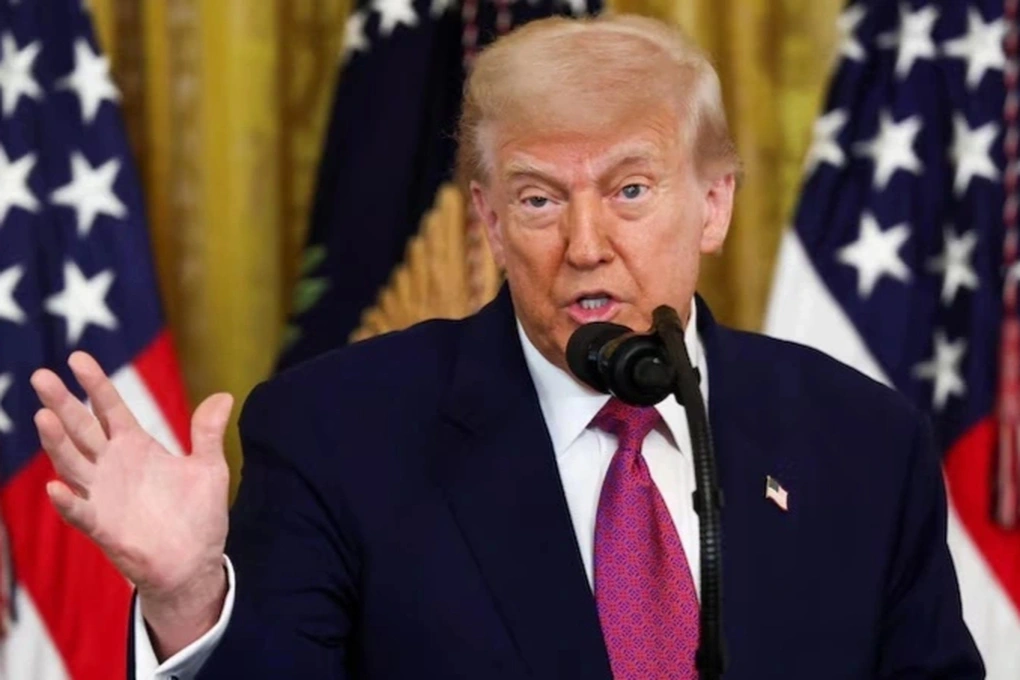
On July 17, 2025, the Senate Judiciary Committee approved President Donald Trump’s nomination of Emil Bove, his former defense attorney, for a lifetime judgeship on the 3rd U.S. Circuit Court of Appeals, despite fierce Democratic opposition. The 12-0 Republican vote, with all Democrats walking out in protest, followed heated objections from Sen. Cory Booker, who accused Chairman Chuck Grassley of stifling debate. Bove’s nomination now heads to the full Senate, where his confirmation appears likely, given the GOP’s 53-47 majority.
Bove, 44, a former Manhattan federal prosecutor, has drawn scrutiny for his role as a senior Justice Department official. Critics, including over 900 former DOJ lawyers and 75 retired judges, cite his involvement in dropping corruption charges against New York City Mayor Eric Adams and firing prosecutors tied to January 6 cases. A whistleblower, Erez Reuveni, alleged Bove suggested defying court orders to expedite Trump’s deportation agenda, claims Bove denied at his June 25 hearing, though he couldn’t recall specific remarks. Democrats, including Sen. Dick Durbin, slammed Bove as unfit, arguing his loyalty to Trump undermines judicial integrity.
Supporters, including Attorney General Pam Bondi, praise Bove’s prosecutorial record, highlighting convictions against drug cartels and terrorists. The White House calls him an ideal constitutionalist to restore “law and order.” Yet, concerns persist about his impartiality, given his defense of Trump in the 2024 hush-money case. As the Senate floor vote looms, Bove’s confirmation could reshape the judiciary, raising questions about the balance between loyalty and the rule of law.