The stark contrast between red and blue states has become a rallying cry for those who see America splitting along lines of law and order versus chaos. Red states, often led by Republican governors, are praised as bastions of stability, with strict policing and tough immigration policies. Blue states, under Democratic control, are increasingly painted as hotbeds of disorder, where protests spiral into riots and crime surges unchecked. While this narrative oversimplifies a complex nation, recent events lend it enough weight to fuel a growing divide.
Take red states like Texas and Florida. Texas, under Governor Greg Abbott, has bolstered its border security with state-funded patrols and National Guard deployments, aligning with President Trump’s ICE operations targeting 3,000 daily arrests. In cities like Houston, crime rates have stabilized, with a 7% drop in violent crime last year. Florida’s Governor Ron DeSantis has pushed “anti-riot” laws, leading to swift arrests during protests, keeping damages minimal. Supporters argue these policies deliver results: orderly streets, protected businesses, and a sense of safety. Polls show 52% of Americans in red states feel safer today than five years ago.
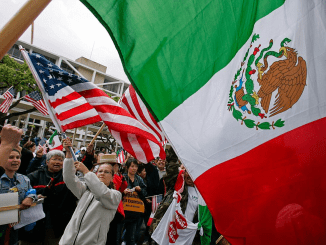
Contrast this with blue states like California and Washington. Los Angeles, reeling from anti-ICE protests, saw 18 businesses looted and $5.2 million in damages last month, with 47 officers injured. Seattle’s recent unrest left 12 stores vandalized and $2.8 million in cleanup costs. Critics blame Democratic leaders like California’s Governor Gavin Newsom and Seattle’s mayor for prioritizing “de-escalation” over enforcement, emboldening rioters. Sanctuary policies, limiting cooperation with ICE, are seen as magnets for chaos, with 60% of LA’s protest-related arrests involving non-residents. Blue state cities report a 15% spike in violent crime since 2021, fueling perceptions of lawlessness.
The divide isn’t just about crime—it’s about governance. Red states often tout low taxes, minimal regulations, and a focus on public safety, attracting businesses and residents fleeing blue states. Florida added 400,000 new residents last year, while California lost 300,000. Texas’s “Operation Lone Star” has seized 500 pounds of fentanyl, winning praise for tackling the drug crisis. Meanwhile, blue states face accusations of coddling criminals through bail reform and reduced sentencing. In San Francisco, shoplifting has surged 20%, with retailers locking up goods to deter theft.
Blue state leaders counter that their policies address root causes like poverty and inequality. Newsom points to $1 billion in homelessness funding and community policing initiatives as long-term solutions. Democrats argue that red states’ heavy-handed tactics, like mass deportations, sow fear and division, ignoring systemic issues. They note that crime also rose in red states during Trump’s first term, and national murder rates peaked in 2020 under Republican leadership. Still, the optics of burning cars and looted stores in blue cities overshadow these arguments.
The narrative of red state order versus blue state madness is gaining traction as the 2026 midterms loom. Trump’s base, energized by ICE raids and tough-on-crime rhetoric, sees red states as models of stability. Blue state residents, meanwhile, grapple with rising costs and visible disorder, with some questioning their leaders’ priorities. While the truth lies in shades of gray—crime and protests plague both red and blue states—the perception of a divided America is hardening. Red states project control; blue states struggle to prove they haven’t lost it.