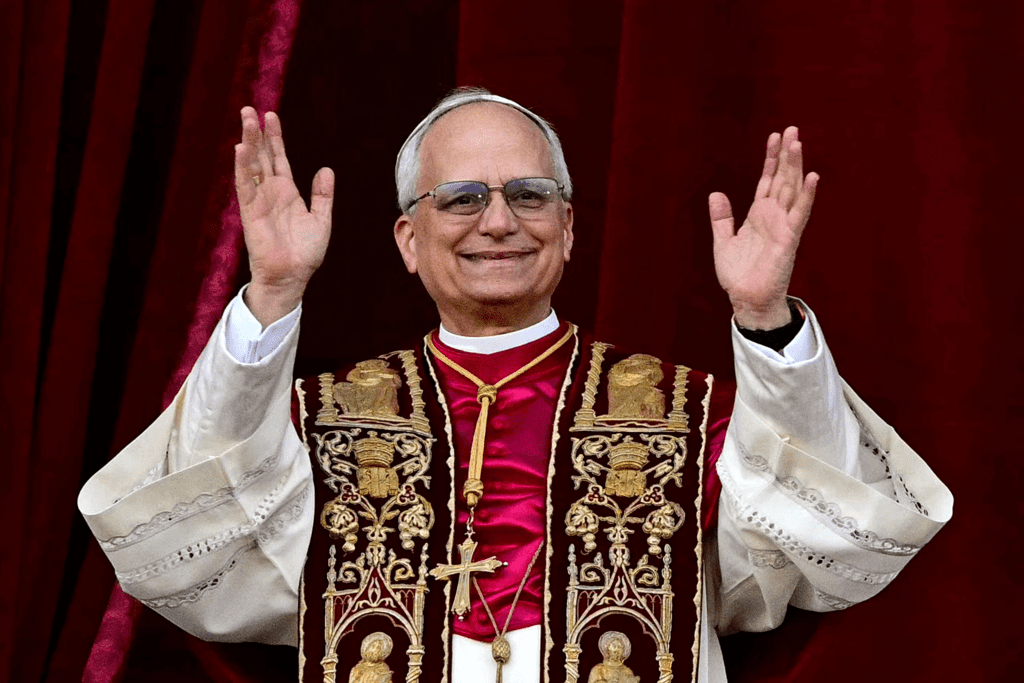
In a fervent address in July 2025, Pope Leo declared, “Today we live in a world that is burning because of global warming,” linking the surge in natural disasters to human excesses and unsustainable lifestyles. Urging repentance from those who fail to recognize the need to care for “our common home,” the pontiff’s words resonate as a moral and spiritual call to action. As a journalist, I aim to explore the significance of Pope Leo’s message, its alignment with global environmental concerns, and the challenges it poses in a polarized world.
The Pope’s statement comes amid escalating climate crises. In 2025, wildfires have ravaged California, floods have inundated Bangladesh, and heatwaves have gripped Europe, with the World Meteorological Organization reporting a 1.5°C global temperature rise above pre-industrial levels. Pope Leo attributes these disasters partly to human behavior—overconsumption, deforestation, and reliance on fossil fuels. His call for conversion targets not only secular society but also those within the Church who resist environmental stewardship, emphasizing a moral duty to act. This echoes his predecessor Pope Francis’ 2015 encyclical, Laudato Si’, which framed climate care as a Christian imperative.
Pope Leo’s plea for repentance is both spiritual and practical. He advocates for a global shift toward sustainable practices, urging governments to enforce stricter emissions regulations and individuals to adopt simpler lifestyles. In Vatican City, he has mandated solar panels and zero-waste initiatives, setting an example for the Church’s 1.4 billion followers. His message aligns with scientific consensus: the IPCC warns that without immediate action, catastrophic warming could displace millions by 2030. In Alabama, where foreign-owned farmland raises security concerns, unsustainable agricultural practices further complicate the climate challenge.
Yet, the Pope’s call faces resistance. In the U.S., where the Trump administration prioritizes economic growth and energy independence, policies like deregulation and expanded drilling clash with environmental goals. Critics argue that Pope Leo’s focus on repentance risks alienating those who view climate change as a scientific issue, not a moral failing. In conservative regions, skepticism about global warming persists, with some dismissing it as exaggerated. The Pope’s challenge to those “inside and outside the Church” underscores this divide, as even some Catholic leaders prioritize economic or cultural issues over climate action.
The urgency of Pope Leo’s message is undeniable. Natural disasters, from hurricanes in the Gulf to droughts in Africa, claim lives and livelihoods daily. His call for conversion demands a reckoning—not just spiritual, but societal. Will it inspire action, or will it be drowned out by political and economic priorities? As global temperatures rise, Pope Leo’s plea for repentance frames climate change as a moral crisis, urging humanity to act before the world burns further.