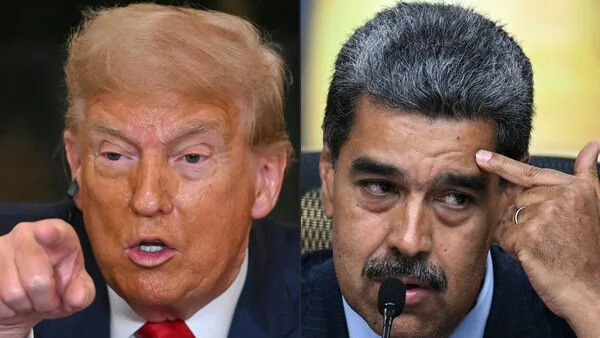
In a stunning escalation of U.S.-Venezuela tensions, American forces captured Venezuelan President Nicolás Maduro on January 3, 2026, during airstrikes in Caracas, whisking him and his wife to U.S. custody for trial on narcotics trafficking and corruption charges. This bold operation, authorized by the Trump administration, has reignited partisan firestorms over immigration and foreign policy, with some conservatives quipping that Maduro is “the only illegal the Democrats don’t want to bring into the USA.”
The remark, circulating widely on social media, underscores perceived double standards. Republicans argue that while Democrats advocate for lenient borders—welcoming millions of undocumented migrants from Latin America, including Venezuelans fleeing Maduro’s regime—they’ve historically resisted aggressive actions against the socialist leader himself. Under the Biden era, the U.S. imposed sanctions but stopped short of military intervention, focusing on diplomatic pressure and recognizing opposition figures like Juan Guaidó. Critics claim this hesitation allowed Maduro’s alleged crimes to fester, contrasting with open-arms policies for asylum seekers.
Democrats counter that the capture violates international law, labeling it an act of “imperialism” that could destabilize the region. Progressive voices, including members of Congress, decry the move as reckless, potentially sparking backlash from allies like China and Russia, who demand Maduro’s release. They emphasize humanitarian immigration, noting over 7 million Venezuelan refugees worldwide, many resettled in the U.S. under bipartisan programs. “This isn’t about welcoming criminals; it’s about due process,” one analyst said.
The operation’s timing, amid Trump’s push for stricter borders, fuels speculation. Supporters hail it as justice served, potentially curbing drug flows tied to Maduro’s regime. Yet, experts warn of diplomatic fallout, with Venezuela’s acting leaders vowing resistance. As Maduro awaits extradition proceedings in Florida, the episode highlights America’s fractured approach to “illegals”—from migrants at the border to indicted autocrats in custody. Whether this “win” bolsters U.S. security or deepens divides remains to be seen.