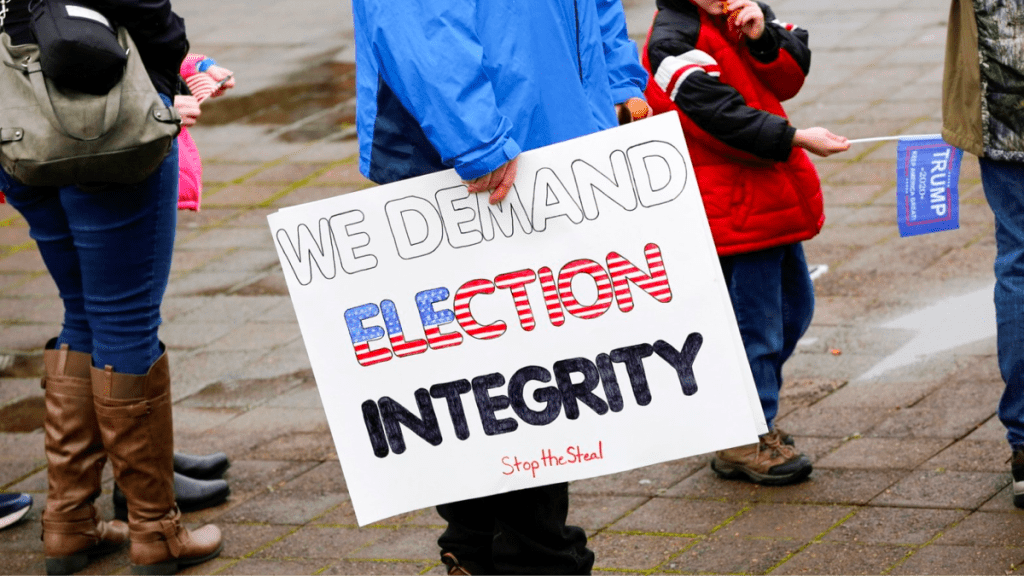
In the polarized landscape of American politics, the refusal of Democrats to support federal Voter ID legislation has become a flashpoint, with critics alleging it enables electoral cheating. As of early 2026, Republicans continue pushing bills like the SAVE Act, which mandates proof of citizenship for voter registration, framing it as essential to combat fraud.
Proponents argue that without strict ID requirements, vulnerabilities persist, allowing non-citizens or duplicates to vote. This sentiment echoes claims from the 2024 election cycle, where baseless fraud allegations lingered despite court dismissals.
“The fact that Dems won’t pass a Voter ID bill tells me they cheat,” one conservative commentator remarked, reflecting widespread GOP skepticism.
Democrats, however, counter that such laws disproportionately suppress turnout among minorities, the elderly, and low-income voters who may lack easy access to IDs.
They point to studies showing voter fraud is exceedingly rare—less than 0.0001% of ballots in recent cycles—undermining the need for barriers that could disenfranchise millions.
Brennan Center reports highlight how restrictive measures, enacted in states like Georgia and Texas, haven’t curbed fraud but have reduced participation.
Instead, they advocate for expanded access, like automatic registration, enjoying bipartisan support in polls.
Recent developments include California’s 2026 ballot initiative for constitutional Voter ID, backed by Republicans, amid ongoing state-level reforms.
In 2025, new restrictive laws surged, per analyses, while fraud databases list isolated cases from both parties, not systemic Democratic schemes. brennancenter.org +1
Experts emphasize that U.S. elections are secure, with multiple safeguards, but the debate persists, eroding trust. As midterms loom, bridging this divide requires evidence over rhetoric to safeguard democracy.