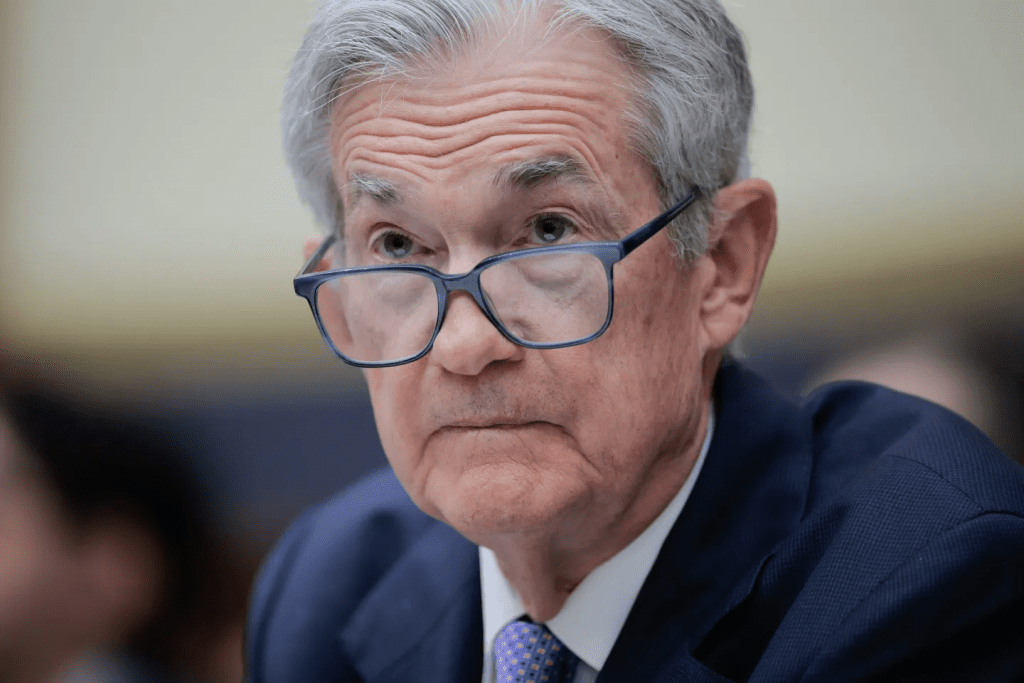
On July 24, 2025, Federal Reserve Chair Jerome Powell was named in a federal lawsuit filed by Azoria Capital in Washington, D.C., accusing him of deliberately maintaining high interest rates to undermine President Donald Trump’s economic agenda. The suit, lodged in the U.S. District Court for the District of Columbia, alleges Powell and the Federal Open Market Committee (FOMC) violate the 1976 Government in the Sunshine Act by holding closed-door meetings, depriving the public of transparency. It demands the FOMC’s July 29-30 meeting be open, claiming Powell’s refusal to cut rates despite cooling inflation is politically motivated.
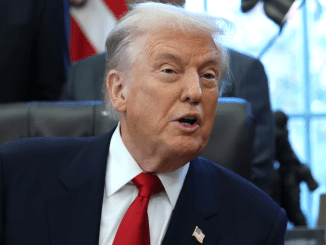
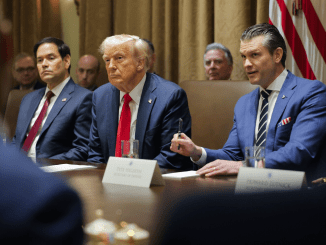
Trump has repeatedly criticized Powell, whom he appointed in 2018, for keeping the federal funds rate at 4.25%-4.5%, unchanged since December 2024. The president argues rates should drop by three percentage points to boost economic growth, citing a 2025 inflation rate of 2.4%, near the Fed’s 2% target. Azoria’s lawsuit echoes Trump’s claims, alleging Powell’s stance harms American businesses and consumers. A 2025 Rasmussen poll shows 58% of Americans support lower rates.
Powell, whose term ends in May 2026, has defended the Fed’s independence, stating decisions prioritize employment and price stability. Economists like Jason Furman warn that firing Powell could spike long-term rates, as investors demand higher bond yields, per a July 2025 Atlantic report. Critics, including Sen. Elizabeth Warren, call the lawsuit baseless, arguing it threatens the Fed’s autonomy. As legal and political pressures mount, the question remains: is Powell’s policy data-driven or a deliberate check on Trump’s agenda?