Washington, D.C. – President Donald Trump’s reinstated ban on transgender individuals serving in the military is set to impact an estimated 8,980 active-duty personnel and 5,727 reservists, according to a 2019 Defense Department report revisited amid the policy’s enforcement. The executive order, signed in January 2025 and upheld by the Supreme Court in May, prohibits those with gender dysphoria from enlisting or remaining in service, mandating medical separations for troops who have transitioned or require treatment.
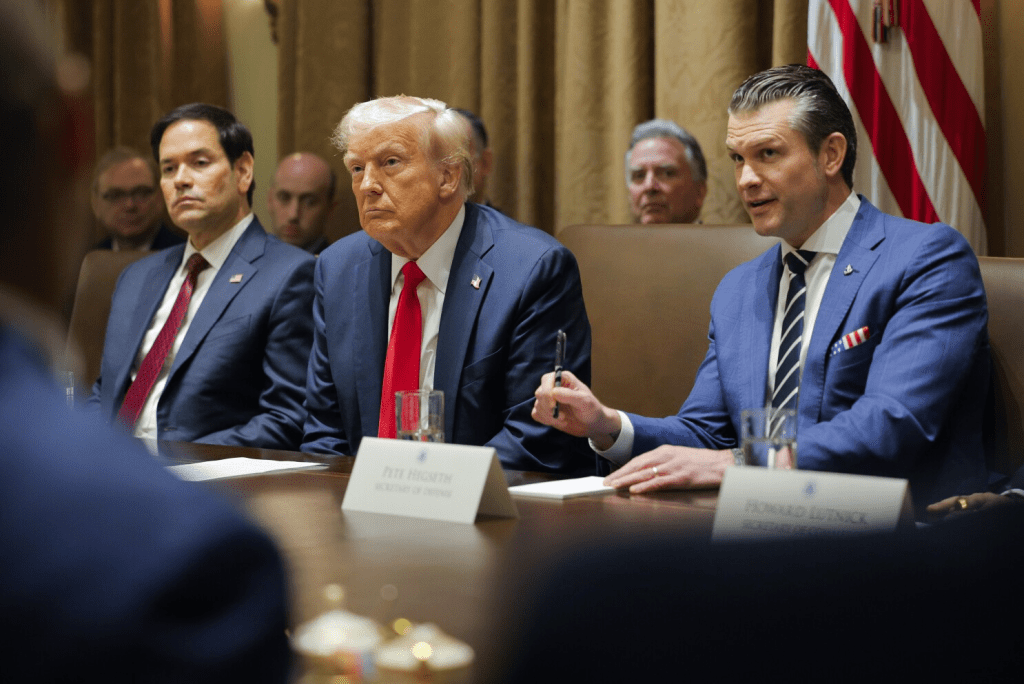
Defense Secretary Pete Hegseth defended the move as essential for “combat readiness,” citing costs and non-deployable periods associated with hormone therapies and surgeries. “We’re focusing on lethality, not social experiments,” Hegseth told reporters at a Pentagon briefing. The ban, first implemented in 2019 and reversed by Biden in 2021, was revived under Trump’s “America First” agenda, with discharges beginning in June. By December 2025, over 1,200 transgender service members have been processed for honorable separations, with the full tally expected to reach the report’s estimates by mid-2026.
The policy has drawn sharp divisions. Supporters, including veterans’ groups like the American Legion, argue it restores uniform standards, projecting annual savings of $8-10 million in medical expenses. In red states, it’s hailed as a cultural reset, with polls showing 62% Republican approval. “This ensures our forces are mission-ready,” said Sen. Tom Cotton, a ban proponent.
Critics decry it as discriminatory and shortsighted. LGBTQ+ advocates like Lambda Legal warn of talent loss, noting transgender troops’ service in elite units. “These are patriots being discarded,” said attorney Shannon Minter, as lawsuits challenge the ban’s constitutionality. Four service members in separation proceedings shared stories of shattered careers, with one Army captain facing discharge after 12 years: “I fought for this country—now it’s fighting me.”
As the military grapples with recruitment shortfalls—down 41,000—the ban tests Trump’s mandate: Boost readiness or deepen divides? In barracks nationwide, the human cost mounts, one discharge at a time.