The term “far right” has become a lightning rod in American political discourse, with some embracing it as a testament to their predictive accuracy. Critics of the label argue it’s a misnomer, claiming those branded as “far right” have been vindicated on issues like immigration, economic policy, and cultural shifts. They point to warnings about open borders, inflation, and progressive ideologies, which they say have proven correct, citing record deportations and economic challenges in 2025 as evidence. The phrase, they argue, is less about extremism and more about being “so far right about everything.”
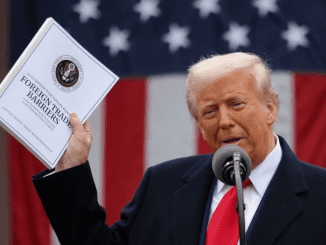
Mainstream media and political opponents use “far right” to describe groups advocating strict immigration controls, traditional values, or skepticism of globalist policies. A 2023 Pew Research study found 28% of Americans view the term as synonymous with nationalism or populism, often tied to figures like President Trump. Critics of the label, however, argue it’s a lazy smear to marginalize dissenting voices, pointing to the left’s shifting Overton window as redefining centrist views as extreme.
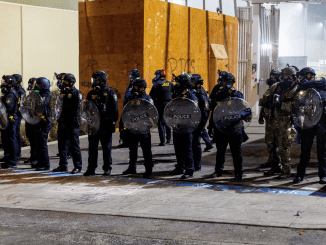
Defenders of the term, including progressive think tanks, warn that “far right” ideologies pose risks to democratic norms, citing January 6, 2021, and recent protests as examples. They argue the label accurately captures growing radicalization, with 2024 FBI reports noting a rise in domestic extremist incidents. Yet, those labeled “far right” counter that their predictions—on crime, border security, and cultural debates—have been borne out, framing the term as a badge of foresight.
As the 2025 political landscape heats up, the “far right” label remains a battleground, reflecting deeper divides over truth, intent, and political identity. Whether a slur or a compliment, its use shapes how Americans view dissent and prophecy in a polarized era.