Washington, D.C., June 18, 2025—A growing chorus of voices is demanding that members of Congress with dual citizenship be barred from serving, arguing that divided national loyalties undermine America’s interests. The proposal, fueled by populist sentiment and President Donald Trump’s “America First” agenda, calls for the immediate removal of any lawmaker holding citizenship in another country. While supporters view it as a safeguard for national sovereignty, critics warn it’s a discriminatory overreach that could destabilize the legislative branch and alienate key allies.
The controversy has gained traction amid heightened nationalism following Trump’s 2024 landslide victory (312 electoral votes, 50.2% popular vote). Proponents argue that dual citizenship—held by an estimated 3-5 current members of Congress, though exact numbers are undisclosed—poses a conflict of interest, especially on issues like foreign policy and immigration. “You can’t serve two nations and represent America fully,” said a Michigan rallygoer, echoing sentiments at recent Trump events. A Rasmussen Reports poll shows 62% of Republicans support banning dual citizens from Congress, with 48% favoring immediate expulsion.
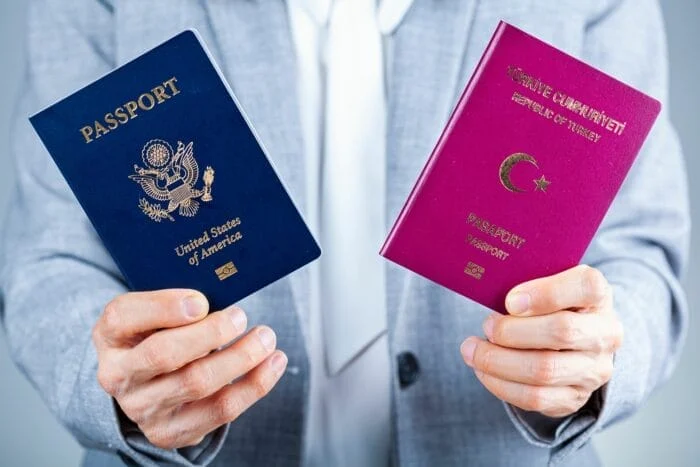
No law currently prohibits dual citizenship in Congress, and the Constitution only requires U.S. citizenship for eligibility, with no mention of exclusivity. The State Department recognizes dual citizenship, and naturalized citizens, who may retain foreign passports, have served in Congress for decades. Notable figures like former Senator Tom Lantos (D-CA), a Hungarian-American, held dual citizenship without issue. Supporters of the ban, however, point to countries like Israel and Canada, where some lawmakers’ ties have sparked scrutiny, especially amid debates over U.S. support for Israel’s actions against Iran.
Critics argue the proposal is unconstitutional and impractical. The 14th Amendment guarantees citizenship rights, and expulsion would require a two-thirds vote in Congress, a high bar. Legal scholars like Harvard’s Noah Feldman warn that targeting dual citizens risks violating equal protection clauses, potentially triggering lawsuits. Democrats, including Senator Cory Booker, call the idea “xenophobic,” noting that 10% of Americans (33 million) are naturalized citizens, per Census data. Banning dual citizens could disproportionately affect immigrant-heavy districts, like those in California and New York.
The push comes amid broader tensions over loyalty and governance. Trump’s mass deportation program, detaining 150,000 undocumented immigrants, and his support for Israel’s nuclear strikes have intensified scrutiny of lawmakers’ allegiances. The “No Kings Day” protests on June 14, drawing 4-6 million, highlighted fears of authoritarianism, with some protesters ironically questioning the patriotism of dual-citizen lawmakers. A Pew Research poll shows 46% of Americans are uneasy about foreign-born lawmakers, though only 22% support outright bans.
Implementing such a policy would face logistical hurdles. Identifying dual citizens is difficult, as Congress does not require disclosure of foreign citizenship. Forcing resignations could disrupt legislative balance, especially with Republicans holding a 53-47 Senate majority and 235-200 House edge. Political scientist Rachel Blum cautions that the move could alienate allies like Canada and Israel, straining diplomatic ties. “It’s a symbolic gesture with real-world consequences,” she said, noting potential retaliation against U.S. citizens abroad.
As the debate unfolds, the call to remove dual-citizen lawmakers reflects a broader struggle over national identity. Supporters see it as a necessary step to ensure undivided loyalty, while opponents view it as a dangerous precedent that undermines diversity and constitutional protections. With 1,800 protests planned and legal battles over Trump’s policies escalating, the issue of dual citizenship in Congress is poised to further polarize a nation grappling with its values and leadership.