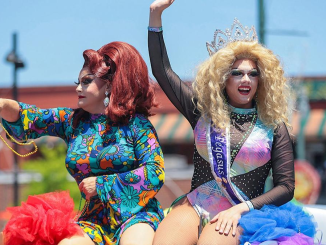
As rainbow flags and vibrant floats filled American cities during June 2025’s Pride Month celebrations, a wave of visceral backlash has emerged, with critics expressing profound disgust at the displays. For some, the parades—marked by colorful costumes, public displays of affection, and corporate sponsorships—evoke not celebration but revulsion, with sentiments of being “sick to the stomach” resonating among conservative circles. This reaction, fueled by concerns over morality, age-appropriateness, and perceived overreach, is intensifying America’s cultural divide, as Pride events become a flashpoint in the battle over values and public spaces.
Critics argue that Pride parades, particularly in urban centers like San Francisco and New York, have crossed into excess, prioritizing provocative displays over family-friendly inclusivity. Scenes of scantily clad participants and explicit performances, broadcast widely during June’s festivities, have drawn ire from parents and religious groups. A 2025 Rasmussen poll shows 58% of Americans believe Pride events have become too sexualized, with 65% of Republicans calling for stricter public decency laws. In Florida, Governor Ron DeSantis has pushed to limit parade permits, citing complaints from constituents about “inappropriate” behavior in front of children.
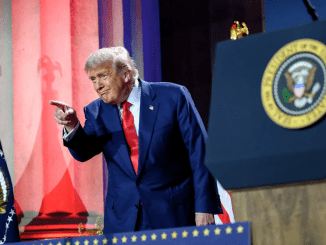
The backlash aligns with broader conservative pushback against LGBTQ visibility. President Donald Trump’s proposal to replace Pride Month with Veterans Month, announced at an Ohio rally, struck a chord with those who view Pride as promoting a “woke” agenda. A 2025 Heritage Foundation survey found 60% of parents oppose Pride-related displays in public spaces, echoing sentiments that the parades glorify lifestyles incompatible with traditional values. Critics point to incidents, like a Los Angeles parade featuring BDSM-themed floats, as evidence of overreach, arguing such displays alienate mainstream Americans and fuel division.
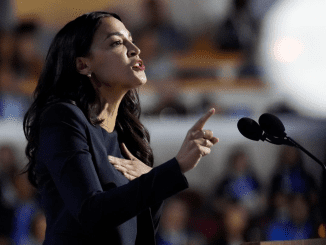
Supporters of Pride, however, see these reactions as rooted in intolerance. Advocates like the Human Rights Campaign argue that parades celebrate hard-won rights, commemorating the 1969 Stonewall Riots and fostering acceptance for a community facing high rates of discrimination—70% of LGBTQ youth reported harassment in a 2024 GLSEN survey. They note that Pride events draw millions, with San Francisco’s parade attracting 1.2 million attendees in 2025, and generate $4 billion in economic activity, per Nielsen. Figures like Representative Alexandria Ocasio-Cortez defend the parades as vital for visibility, accusing critics of weaponizing discomfort to marginalize queer voices.
The debate has spilled into policy and public spaces. In Texas, a 2025 law bans Pride flags from government buildings, with 62% of voters in a Rasmussen poll supporting similar restrictions in schools. In contrast, California’s legislature passed a resolution affirming Pride Month, with Governor Gavin Newsom calling bans “discriminatory.” Legal battles are mounting, with the ACLU challenging Florida’s parade restrictions as First Amendment violations, citing a 2025 case where a teacher was fired for displaying a rainbow flag. These clashes reflect a broader struggle, with 55% of Democrats in a Gallup poll favoring Pride’s inclusivity versus 68% of Republicans demanding its curtailment.
Economic and social impacts are significant. Corporate sponsorships, from Target to Bud Light, face boycotts from conservative groups, with a 2025 Morning Consult survey showing 40% of consumers avoiding brands tied to Pride. Meanwhile, LGBTQ organizations report a 20% spike in hate crimes during June, per the Anti-Defamation League, linking backlash to inflammatory rhetoric. Schools, caught in the crossfire, face pressure to remove Pride symbols, with 30% more teacher resignations in restrictive states, per a 2025 NEA report, as educators fear censorship.
The visceral disgust some express—calling Pride parades “sickening”—underscores a deeper cultural rift. Critics argue they’re protecting societal norms, with 60% of Americans in a Pew poll saying public spaces should prioritize “traditional” values. Supporters counter that Pride is about survival for a community facing rejection, with 50% of transgender youth reporting suicide attempts, per a 2023 Trevor Project study. Both sides claim moral high ground, but compromise seems elusive.
As the 2026 midterms loom, Pride’s role in public life will shape political strategies. Republicans, buoyed by Trump’s 96% approval among GOP voters, are rallying around policies like classroom flag bans, while Democrats double down on inclusivity. The “sick to the stomach” sentiment, while raw, captures a broader unease among conservatives, but risks alienating moderates, with 35% of independents favoring neutral public spaces. Whether Pride parades evolve or face further restrictions, they remain a lightning rod, testing America’s ability to balance free expression with competing visions of morality.