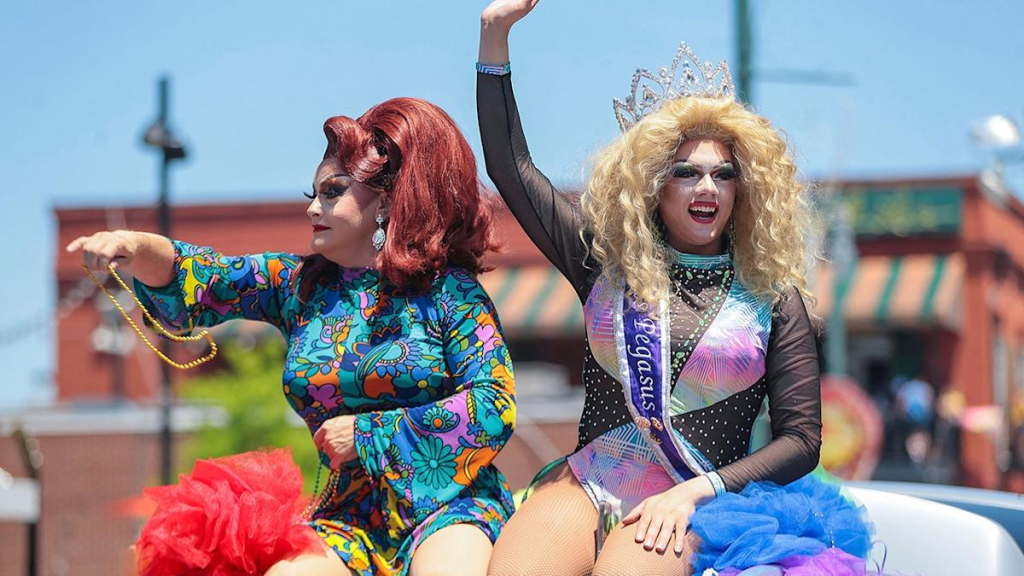
New Orleans – In a pivotal ruling that hands Texas a significant win in the culture wars, the U.S. Court of Appeals for the 5th Circuit on Thursday reversed a lower court’s injunction, allowing the state to enforce Senate Bill 12, the 2023 law restricting “sexually oriented performances” in front of children. The decision, issued by a three-judge panel, marks the first time the controversial measure—often dubbed a “drag ban”—can take effect statewide, though partial blocks remain in Travis and Bexar counties.
The law prohibits performances deemed “sexually oriented” on public property or in venues accessible to minors under 18, imposing fines up to $4,000 on businesses and misdemeanor charges on performers. Sponsors, including Rep. Nate Schatzline, R-Rowlett, targeted explicit drag shows amid backlash to family-friendly events like Drag Queen Story Hours. A Houston federal judge, David Hittner, struck it down in September 2023, ruling it violated the First and 14th Amendments by broadly suppressing artistic expression.
The appeals court, in a 2-1 opinion authored by Judge Kurt Engelhardt, a Trump appointee, vacated the injunction, finding most plaintiffs—including drag performer Brigitte Bandit, production companies Extragrams LLC and 360 Queen Entertainment, and pride groups like The Woodlands Pride—lacked standing. “None of the trial evidence indicates the performances are ‘in some sense erotic,'” the majority wrote, arguing the law targets conduct, not protected speech, and only applies to shows appealing to “prurient interest in sex.” The case returns to Hittner’s court for further review on narrower grounds.
Judge James Dennis, a Clinton appointee, dissented, arguing the panel ignored legislative intent to chill drag entirely. Texas Attorney General Ken Paxton celebrated: “Common sense prevails—kids protected from adult entertainment.” The ACLU of Texas, representing plaintiffs, decried the reversal as “heartbreaking,” vowing a Supreme Court appeal. “This isn’t safety; it’s suppression,” attorney Seth Galanter said, noting the law’s vagueness could ensnare theater or dance.
The ruling aligns with bans in Tennessee and Florida, upheld by the Supreme Court in June 2024, but contrasts with protections in blue states. Amid Trump’s 2.1 million deportations and a 36-day shutdown freezing SNAP for 42 million, the decision highlights America’s fault lines: Parental shields or performative prejudice? For Texas families, it’s a safeguard; for performers, a silenced stage. As appeals loom, the curtain rises on a broader legal drama.