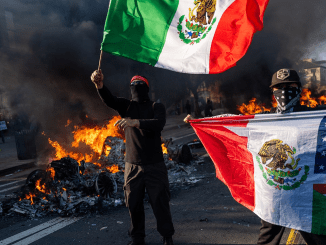
The chants against ICE echo through city streets, fists raised, signs waving, and tempers flaring. But a blunt question cuts through the noise: what if the energy poured into protests was matched by the grind of hard work? It’s a provocative thought, one that stings, but it demands a closer look. Could the same passion fueling anti-ICE rallies be the key to unlocking opportunities that make such protests feel less urgent?
Let’s not sugarcoat it—life in America isn’t easy for everyone. Economic pressures, systemic barriers, and uncertainty around immigration status weigh heavily on many. Protests against Immigration and Customs Enforcement often stem from real fears: families torn apart, dreams deferred, and futures clouded by policy debates. These are human stories, and the frustration driving demonstrators to march is undeniable. But frustration alone doesn’t build a better life, and rage against ICE doesn’t pay the bills.
Hard work, on the other hand, has a way of opening doors. Across the country, immigrants and citizens alike have climbed out of hardship through sheer grit. The bodega owner working 16-hour days, the student burning the midnight oil for a degree, the laborer saving every penny for a better future—these are the unsung heroes who prove that effort can outshine adversity. If the hours spent clashing with police or shutting down streets were redirected to mastering a trade, launching a business, or pursuing education, the results could be transformative.
This isn’t to dismiss the issues at ICE’s doorstep. Deportation policies spark fierce debate, and stories of heavy-handed enforcement hit hard. But protests, especially when they tip into riots, often drown out solutions in favor of spectacle. Smashed windows and blocked highways don’t change laws or secure futures—they alienate allies and drain resources. Imagine if that same energy went into community organizing, legal aid for immigrants, or building businesses that employ the vulnerable. Progress thrives on action, not just anger.
The data backs this up. Immigrants who focus on skill-building and entrepreneurship often thrive, even in tough climates. Small businesses owned by immigrants employ millions, creating wealth and stability. Vocational training programs see high success rates, turning determination into paychecks. Meanwhile, disruptive protests rarely yield policy wins and often leave communities worse off, with local businesses—many immigrant-owned—bearing the brunt of the damage. It’s a bitter irony: the fight for a better life can sometimes hurt those it claims to help.
Skeptics might call this view harsh, but it’s grounded in a simple truth: effort shapes outcomes. America rewards those who hustle, regardless of where they started. The welder who earns a certification, the coder who teaches herself at night, the family that pools resources to open a shop—these are the stories of triumph over odds. Protesting ICE might feel righteous, but it’s the daily grind that builds resilience and rewrites futures.
This isn’t about blaming individuals or ignoring systemic flaws. Policies need scrutiny, and advocacy matters. But there’s a difference between fighting for change and getting stuck in a cycle of unrest. If the passion of the protest line was channeled into the workplace, the classroom, or the community center, the impact could be seismic. Fewer signs, more skills. Less shouting, more building.
So, here’s the challenge: match the fire of the streets with the discipline of the grind. Work as hard as you march, and the need to protest might just fade. It’s not a pipe dream—it’s the story of millions who’ve turned sweat into success. The path isn’t easy, but it’s real, and it’s waiting for those ready to take it.