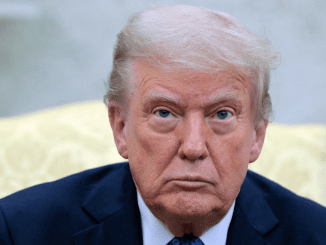
As Immigration and Customs Enforcement (ICE) ramps up raids across major U.S. cities, a chorus of Americans is celebrating, saying, “This is what I voted for!” President Donald Trump’s aggressive immigration crackdown, now targeting 3,000 daily arrests nationwide, is delivering on a key campaign promise that resonated with millions. For supporters, these operations are a bold step toward securing borders and prioritizing public safety, fulfilling the mandate they backed at the ballot box.
The latest wave of ICE raids, launched in early 2025, has swept through urban centers like Houston, Chicago, and Miami, with agents detaining thousands of undocumented immigrants, including 1,155 gang members and 39 suspected terrorists in just 50 days. The administration’s focus on removing criminal offenders has struck a chord with voters who feel that lax enforcement has long endangered communities. From small-town diners to suburban living rooms, supporters are hailing the raids as a necessary response to years of unchecked immigration.
For these Americans, the raids represent more than policy—they’re a reclaiming of national sovereignty. Many point to high-profile crimes, like the 2024 murder of a Georgia student by an undocumented immigrant, as evidence of the risks posed by porous borders. The Laken Riley Act, signed into law this year, mandates detention for noncitizens accused of minor crimes, reflecting the urgency felt by Trump’s base. Polls show 48% of Americans approve of the ICE operations, with even higher support in battleground states like Texas and Arizona.
Supporters argue the raids are restoring order to communities strained by illegal immigration. In Houston, where ICE arrested 412 individuals in a single week, local residents praised the removal of gang-affiliated migrants linked to drug trafficking. Small business owners, often victims of crime, say the operations give them hope for safer streets. For these voters, Trump’s promise of mass deportations—aiming for 1 million annually—feels like a direct response to their concerns about jobs, security, and national identity.
Critics, however, see a darker side. The raids, which often net non-criminal immigrants in “collateral arrests,” have sparked fear in Latino communities, with reports of U.S. citizens mistakenly detained. In Chicago, a mother of three was held for 48 hours before proving her citizenship, fueling accusations of overreach. Democratic leaders like Representative Alexandria Ocasio-Cortez have called the operations “inhumane,” arguing they tear families apart and target vulnerable populations. Protests in cities like Los Angeles have turned violent, with $5 million in damages reported last month.
The logistical and legal challenges are steep. ICE’s budget, strained by a $230 million shortfall, struggles to support an expanded detention capacity of 54,500 beds. Lawsuits are piling up, with a federal judge recently halting deportations to certain countries over due process concerns. Yet, Trump’s supporters remain undeterred, viewing these hurdles as the cost of bold action. They argue that the raids, backed by agencies like the FBI and U.S. Marshals, are a necessary disruption to a broken system.
For those who voted for Trump, the ICE raids are a tangible victory—a signal that their voices matter. They see a president unafraid to act decisively, even in the face of fierce opposition. As the operations expand, the divide deepens: supporters cheer a safer, stronger America, while critics warn of a humanitarian crisis. For now, the raids are reshaping the nation’s cities and its future, one arrest at a time.