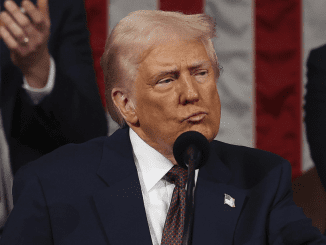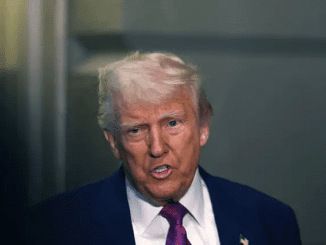
As Los Angeles prepares to host the 2028 Summer Olympics, a bold idea is gaining traction among some Americans: President Donald Trump should push to relocate the games to Florida. The Sunshine State, with its booming economy and vibrant communities, is being touted as a more deserving host than California, which critics argue is plagued by mismanagement and political dysfunction. While the logistics of such a move are daunting, the case for Florida reflects deeper frustrations with California’s leadership and a belief that Trump could make it happen.
California’s selection as the 2028 host was celebrated in 2017, with Los Angeles promising a sustainable, low-cost Olympics using existing venues like the Coliseum. But recent years have exposed cracks in the state’s ability to deliver. Los Angeles faces a homelessness crisis, with over 75,000 people living on the streets, and rampant crime in areas slated for Olympic events. Infrastructure woes—crumbling roads, unreliable public transit, and frequent power outages—raise doubts about the city’s readiness to welcome millions of visitors. Critics also point to California’s high taxes and regulatory burdens, which have driven businesses and residents away, as evidence of misplaced priorities.
Florida, by contrast, is being pitched as a beacon of stability and growth. Under Governor Ron DeSantis, the state has seen an influx of residents and investment, with cities like Miami and Orlando boasting world-class facilities and a proven track record of hosting major events. Florida’s warm climate, extensive coastline, and robust tourism industry make it an attractive alternative. Miami’s Hard Rock Stadium and Orlando’s Camping World Stadium could anchor the games, while the state’s experience with events like the Super Bowl and Formula 1 races suggests it can handle the global spotlight.
Trump, known for bold moves, could champion this shift as a rebuke of California’s progressive policies, which he has long criticized. His administration’s focus on economic efficiency, bolstered by the Department of Government Efficiency (DOGE), aligns with Florida’s business-friendly ethos. Relocating the Olympics could also serve as a political statement, rewarding a state that has supported his agenda while punishing one that hasn’t. Supporters argue that Florida’s lower costs and streamlined regulations would ensure a more financially sound games, avoiding the budget overruns that plagued past hosts like Rio and Tokyo.
The challenges, however, are immense. Moving an Olympics is unprecedented in modern history. Los Angeles has already invested $1 billion in preparations, and contracts with the International Olympic Committee (IOC) are binding. The IOC, wary of political interference, would likely resist, and California lawmakers would fight tooth and nail to keep the games. Logistically, Florida would need to accelerate venue upgrades and infrastructure to meet Olympic standards within three years—a tall order, even for a state known for rapid development.
Critics of the idea also warn of the message it sends. Relocating the games could deepen national divides, framing California as “undeserving” while ignoring its cultural and economic significance. Los Angeles, despite its challenges, has hosted two successful Olympics (1932 and 1984), and its global brand remains strong. Florida, while thriving, lacks the same international cachet and would face scrutiny over issues like hurricane risks and environmental concerns.
Still, the idea resonates with those who see California’s struggles as a cautionary tale. Trump’s knack for disrupting norms could make this a signature move, showcasing Florida as America’s future while signaling that poor governance has consequences. Whether feasible or not, the push to move the 2028 Olympics reflects a broader sentiment: Florida’s star is rising, and California’s is dimming. The question is whether Trump—and the IOC—will take the gamble.