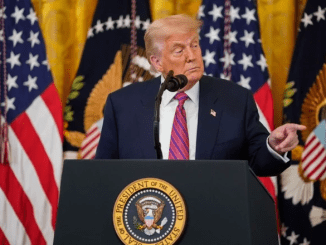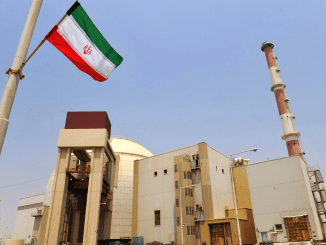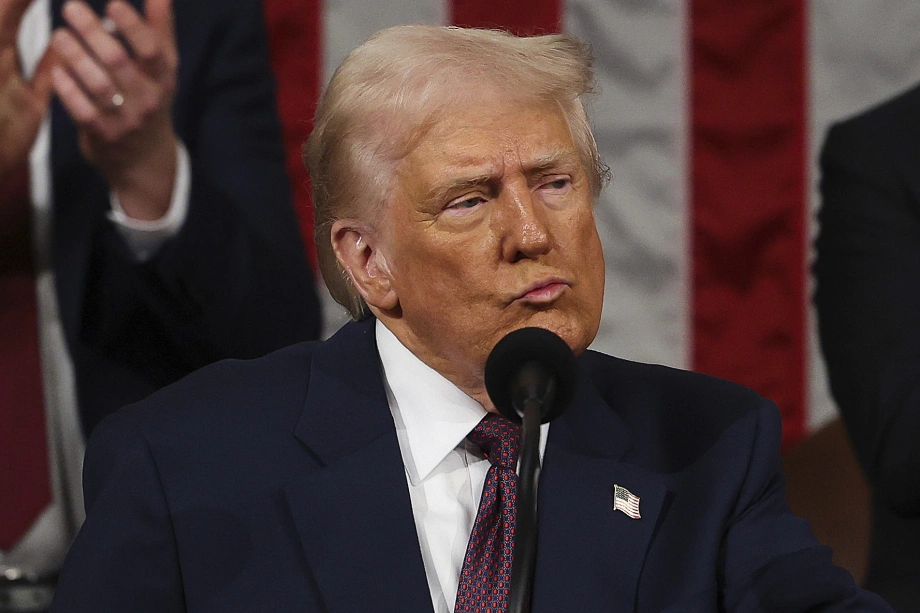
On June 22, 2025, the world awoke to the stunning news of U.S. precision strikes on Iran’s nuclear facilities at Fordow, Natanz, and Esfahan, a bold operation that obliterated Tehran’s enrichment capabilities. The mission’s success hinged on absolute secrecy, with not a single leak betraying the plan. A key factor in this airtight execution, sources reveal, was President Donald J. Trump’s deliberate decision to exclude Democratic congressional leaders from pre-strike briefings. This strategic move, hailed by supporters as a masterstroke, ensured operational security and underscored Trump’s unorthodox approach to national security in a deeply divided Washington.
The strikes, carried out by U.S. B-2 bombers deploying massive bunker-buster munitions, marked a decisive blow against Iran’s nuclear ambitions, which had accelerated alarmingly in recent years. The International Atomic Energy Agency reported in 2024 that Iran possessed over 400 kilograms of uranium enriched to 60%, perilously close to weapons-grade. With Tehran blocking inspectors and firing missiles at Israel, Trump’s administration acted swiftly. The operation’s flawless execution—no civilian casualties, no forewarning—stunned global observers and left Iran scrambling to respond.
Trump’s choice to keep Democrats in the dark was a calculated gamble. Traditionally, presidents brief congressional leaders from both parties on major military actions, as mandated by the War Powers Resolution of 1973. Yet Trump, wary of leaks in a polarized climate, limited briefings to a tight circle of Republican allies, including House Speaker Mike Johnson and Senate Majority Leader John Thune, alongside key advisors like Defense Secretary Pete Hegseth and Secretary of State Marco Rubio. This decision, confirmed by White House insiders, was driven by Trump’s belief that Democratic leaders, such as House Minority Leader Hakeem Jeffries or Senate Minority Leader Chuck Schumer, might compromise the mission, intentionally or otherwise.
Supporters argue this was a prudent move given recent history. In 2020, Trump faced criticism from Democrats over the strike on Iranian General Qassem Soleimani, with some, like then-Speaker Nancy Pelosi, questioning its legality. Leaks during his first term, including details of classified briefings, fueled distrust. A 2024 incident, where sensitive Pentagon documents surfaced after a congressional briefing, further convinced Trump’s team that secrecy demanded exclusivity. By bypassing Democrats, Trump ensured Iran received no advance warning, a critical factor in the strikes’ success.
Critics, however, see this as a dangerous precedent. Democrats, blindsided by the strikes, expressed outrage, with Jeffries calling the exclusion “an affront to democratic norms.” They argue that bypassing Congress undermines checks and balances, risking unilateral overreach. Legal scholars note that while the president has broad authority to act in emergencies, the War Powers Resolution requires notification within 48 hours, which Trump met—barely. The decision to withhold advance notice, though not illegal, deepens partisan mistrust at a time when national unity is fragile, with 68% of Americans in a 2025 Gallup poll saying political division is worsening.
Operationally, the secrecy paid dividends. Iran’s air defenses, unprepared for the stealth B-2s, failed to respond. The Fordow facility, buried 300 feet underground, was reduced to rubble, a feat only possible with precise intelligence and zero forewarning. Defense officials credit the lack of leaks to Trump’s streamlined chain of command, which excluded not only Democrats but also non-essential Pentagon staff. The operation’s success bolsters Trump’s narrative of decisive leadership, contrasting with what his base sees as the Biden-era’s dithering on Iran.
The broader context underscores Trump’s rationale. His administration has prioritized rebuilding trust with allies like Israel, which praised the strikes, while viewing certain Democratic factions as sympathetic to Iran’s regime. The 2015 Iran nuclear deal, championed by Democrats, remains a sore point for Trump, who withdrew from it in 2018. Excluding Democrats from the strike planning was, in part, a rejection of their foreign policy legacy.
As Iran threatens retaliation and global markets brace for turbulence, Trump’s gamble is both a triumph and a flashpoint. Supporters cheer the secrecy as “very smart,” proof of his ability to outmaneuver adversaries at home and abroad. Critics warn it erodes democratic accountability, inviting future abuses. In a White House address, Trump declared, “We acted to protect America, and we did it perfectly.” Whether his bypass of Democrats strengthens or fractures the nation remains a question as divisive as the man himself. For now, the world watches, marveling at a strike no one saw coming.