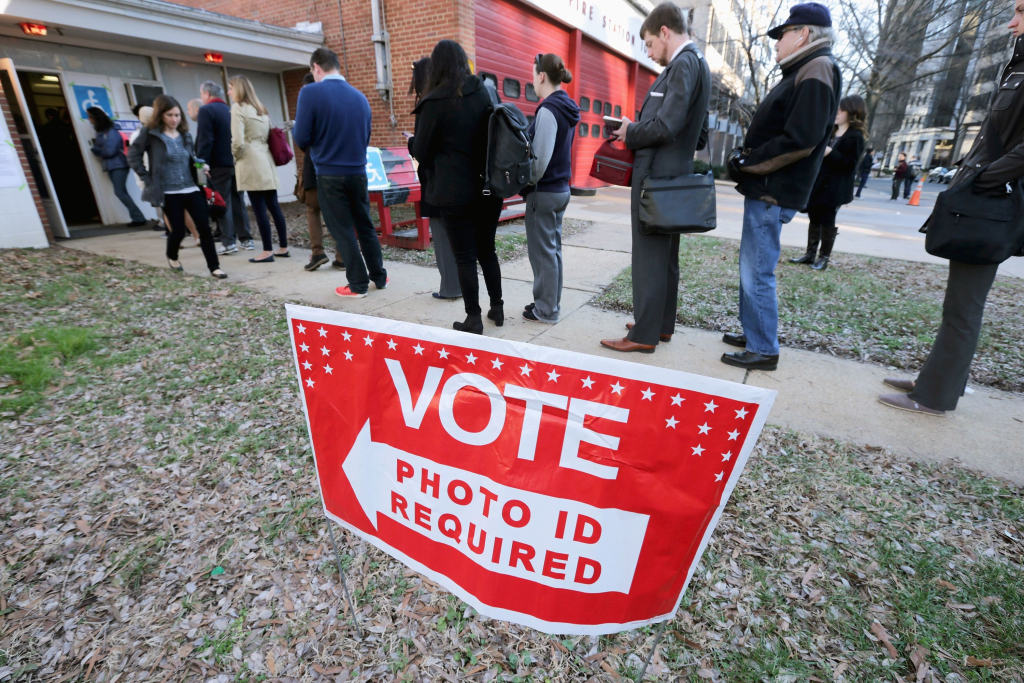
On August 7, 2025, a federal appeals court upheld Texas’ strict voter ID law, reigniting the contentious debate over whether such measures prevent voter fraud or suppress legitimate votes. Supporters, including Texas Governor Greg Abbott, argue that requiring government-issued photo ID at the polls ensures election integrity by preventing impersonation, double-voting, and non-citizen voting. A 2013 poll showed 80% of Americans support some form of voter ID, viewing it as a common-sense safeguard akin to ID requirements for everyday tasks like banking. The Heritage Foundation cites historical fraud cases, like a 1984 Brooklyn conspiracy, to justify the need for such laws.
Opponents, including the Brennan Center for Justice, counter that voter fraud is exceedingly rare, with only 31 credible incidents among over 1 billion ballots cast from 2000 to 2014. They argue that strict ID laws disproportionately disenfranchise minorities, the elderly, and low-income voters, with 25% of Black Americans and 18% of seniors lacking valid photo ID. Costs for obtaining IDs, often $75-$175, and travel barriers in rural areas further complicate access. Critics see these laws as modern voter suppression tactics, especially after the 2013 Shelby County v. Holder decision eased federal oversight of state voting laws.
A 2021 study found no significant impact on overall voter turnout but noted increased mobilization of minority voters by campaigns, potentially offsetting effects. As states like Texas strengthen ID requirements, including for mail-in ballots, legal battles and public debate intensify over balancing security with access.