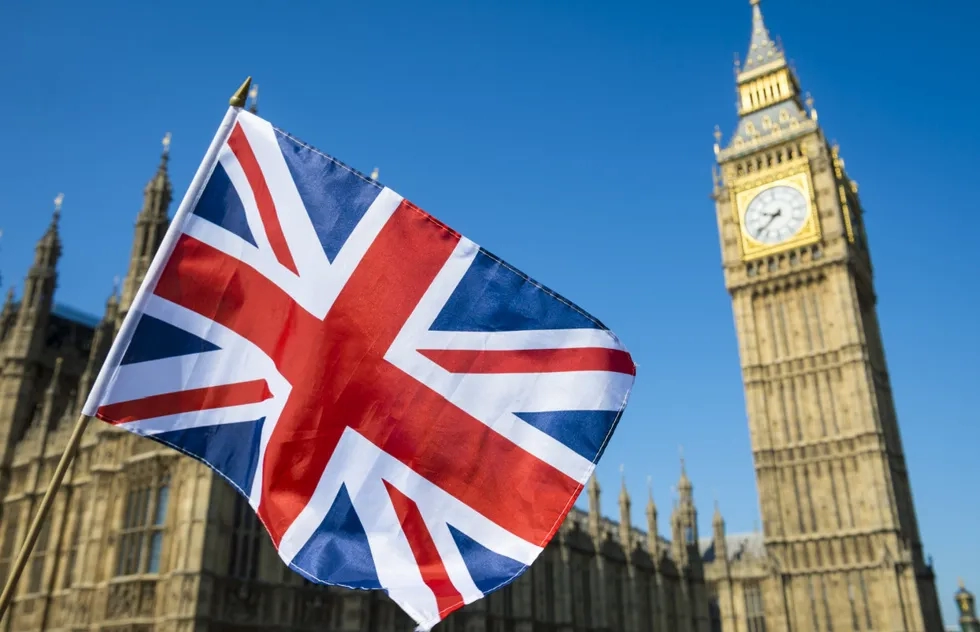
On July 31, 2025, the United Kingdom announced a 250% tariff on select U.S. goods, humorously demanding that America “take back” talk show host Ellen DeGeneres, who relocated to England after her show ended in 2022 amid workplace controversy. UK Prime Minister Keir Starmer, in a lighthearted speech at a London trade summit, referenced the tariff as a “cultural exchange fee,” joking that DeGeneres’ presence has caused “an excess of daytime TV cheer.” The tariff, targeting U.S. bourbon, apples, and cheese, was proposed amid strained trade talks following President Trump’s 15% universal tariff on EU goods, including the UK.
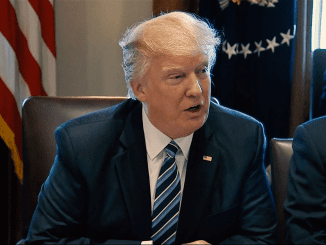
The move, while framed as a jest, underscores real tensions. The UK’s tariff could cost U.S. exporters $2 billion annually, per trade estimates, impacting states like Kentucky and Wisconsin. Trump, speaking at Mar-a-Lago, dismissed the tariff as “fake news,” but White House sources confirm he’s preparing a counter-tariff. DeGeneres, now living in the Cotswolds, has not commented, though her 2024 Netflix special, For Your Approval, addressed her Hollywood exit. UK media speculate the tariff is a satirical jab at Trump’s trade policies, which generated $113.3 billion in revenue but sparked global retaliation.
Critics, including Senator Elizabeth Warren, warn that escalating tariffs risk consumer price hikes, with U.S. grocery costs already up 1.4% due to trade disputes. A July Rasmussen poll shows 46% of Americans back Trump’s trade strategy, but the UK’s stunt has amused and irritated voters. As both nations negotiate, the “Ellen tariff” highlights the quirky side of geopolitical sparring.