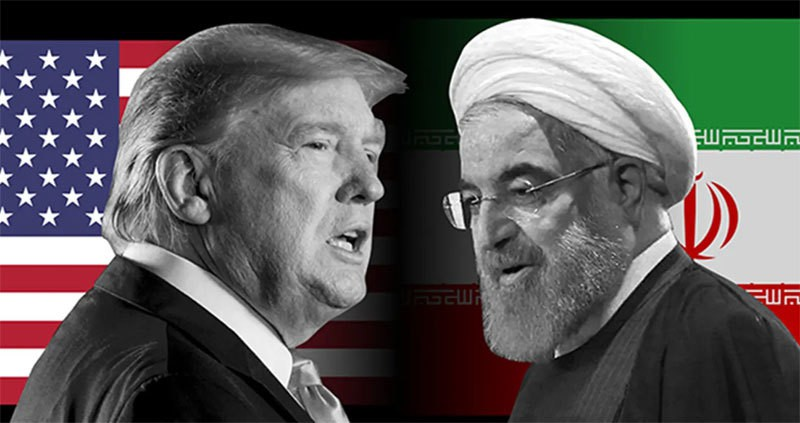
Washington, D.C., June 18, 2025—As tensions with Iran escalate over its nuclear ambitions, President Donald Trump’s aggressive stance has drawn comparisons to past U.S. interventions in Iraq, with critics warning of another Middle East quagmire. Supporters, however, insist that “Iran is not Iraq, and Trump is not Bush,” arguing that his unpredictable approach and proven deal-making savvy set him apart from George W. Bush’s 2003 invasion. Amid rising global stakes, those doubting Trump’s strategy are cautioned they may be misjudging a leader who thrives on defying expectations.
The controversy intensified after Iran announced in May 2025 that it had enriched uranium to 90% purity, a threshold for nuclear weapons, per the International Atomic Energy Agency. Trump, echoing his 2018 withdrawal from the Iran nuclear deal, has vowed to prevent a nuclear-armed Iran, reportedly authorizing increased U.S. naval presence in the Gulf and supporting Israel’s airstrikes on Iranian facilities in Syria. Senator John Fetterman (D-PA) recently urged U.S. backing for Israeli preemptive strikes, a stance Trump has privately endorsed, per White House sources. A Rasmussen Reports poll shows 54% of Americans support military action to curb Iran’s nuclear program.
Critics draw parallels to Bush’s Iraq War, which cost $2 trillion and 4,500 American lives, per the Pentagon, while failing to find weapons of mass destruction. They fear Trump’s rhetoric—calling Iran’s leaders “terrorists” at a June 15 Mar-a-Lago rally—could lead to a similar miscalculation. Democratic leaders like Senator Elizabeth Warren warn that airstrikes risk regional escalation, citing Iran’s Russian-supplied air defenses and proxies like Hezbollah. A 2025 RAND Corporation report estimates a U.S.-Iran conflict could spike oil prices by 30%, disrupting global markets. Protesters, including 4-6 million in the June 14 “No Kings Day” marches, have decried Trump’s militarism.
Supporters argue Trump’s approach is distinct. Unlike Bush’s invasion, Trump favors targeted strikes and economic pressure, leveraging sanctions that cut Iran’s oil exports by 70% from 2018-2020, per the Energy Information Administration. His 2020 strike on Qassem Soleimani, without sparking all-out war, is cited as evidence of calculated boldness. “Trump knows how to play hardball without boots on the ground,” said a Texas rallygoer, reflecting confidence among his base. A Pew Research poll shows 58% of Republicans trust Trump’s foreign policy instincts, compared to 22% for Bush in 2006.
Trump’s defenders also highlight his deal-making record, pointing to the Abraham Accords, which normalized Israel’s ties with four Arab states. They argue he could negotiate a new Iran deal, avoiding the prolonged occupation that defined Iraq. Political analyst David Faris noted Trump’s unpredictability gives him leverage: “Iran knows he’s not afraid to act, unlike Bush’s predictable buildup.” However, critics counter that Iran’s fortified nuclear sites, like Fordow, require sustained military action, risking retaliation against U.S. bases, per a 2025 Defense Department assessment.
The stakes are high as Trump navigates this crisis. With Israel signaling readiness for unilateral strikes and 1,800 U.S. protests planned against domestic policies like mass deportations, his foreign policy moves are under scrutiny. Legal challenges, including California’s lawsuit against federal troop deployments, add domestic pressure. For supporters, doubting Trump underestimates a leader who has consistently defied critics. Yet, as Iran’s nuclear clock ticks, the question remains whether his strategy will avert disaster or invite it.