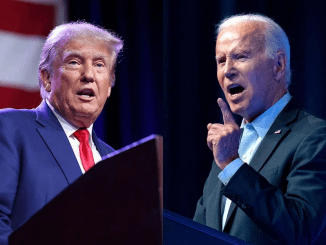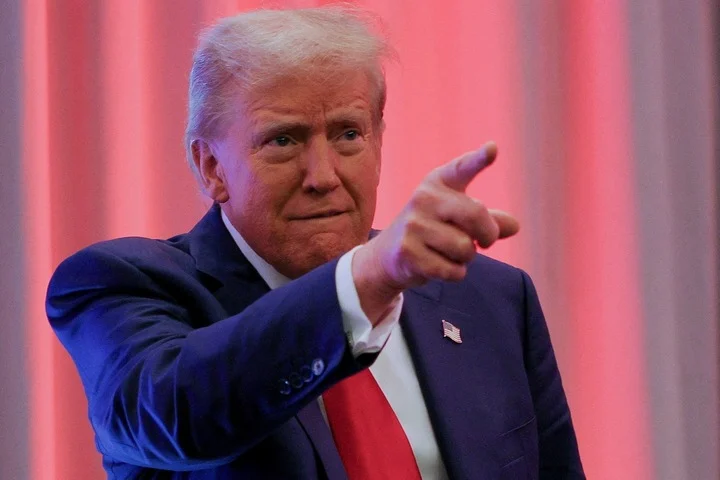
President Donald Trump’s penchant for hurling juvenile insults has long defined his political persona, but a viral comment on May 29, 2025, highlights a perceived double standard: while Trump dishes out nicknames like “Sleepy Joe” and “Crazy Kamala,” being called a “chicken” sends him into a tailspin. The observation, sparking laughter and debate online, underscores tensions between Trump’s combative style and his sensitivity to criticism, raising questions about his leadership temperament as his second term faces mounting scrutiny.
Trump’s history of colorful insults is well-documented. From labeling Sen. Elizabeth Warren “Pocahontas” to dubbing Rep. Adam Schiff “Shifty,” his rhetoric has been a hallmark of his brand, energizing supporters and infuriating opponents. A 2020 New York Times analysis counted over 600 unique insults from Trump’s first term, targeting politicians, journalists, and even allies like former Attorney General Jeff Sessions (“Dumb Southerner”). Supporters see this as a refreshing rejection of political correctness, with a May 2025 Rasmussen poll showing 52% of Americans view the country as on the right track, partly crediting Trump’s unfiltered approach.
Yet, the “chicken” jab—stemming from a May 27 CNN segment where a panelist mocked Trump’s withdrawal from a scheduled debate with Vice President Kamala Harris—reportedly provoked a furious response. Trump, via Truth Social, called the accusation “fake news” and “disgraceful,” insisting he was preparing for “historic trade talks” with China. Sources close to the White House, per Politico, described Trump as “livid,” with aides scrambling to counter the narrative. The reaction contrasts sharply with his usual bravado, fueling claims of hypocrisy. “He can dish it but can’t take it,” a Democratic strategist told MSNBC, echoing the viral quip.
The incident recalls past moments of Trump’s thin-skinned responses. In 2016, he lashed out at Sen. Ted Cruz for questioning his toughness, and in 2020, he raged against a report suggesting he avoided a World War I cemetery visit due to rain, calling critics “losers.” Political analyst David Frum, writing in The Atlantic, argues this sensitivity reveals insecurity, undermining Trump’s strongman image. Critics point to his recent pardons of loyalists like Michael Grimm as evidence of a leadership style that prioritizes personal loyalty over resilience, with 62% of Republicans in a May 2025 YouGov poll still backing his agenda.
Defenders argue Trump’s reactions are strategic, rallying his base by framing criticism as elite attacks. The White House, through spokesperson Kush Desai, dismissed the “chicken” label as “childish nonsense” from a failing media, pointing to Trump’s border security wins, with crossings down 93% per CBP data. Supporters see his insult-laden style as a counterpunch to a hostile press, not a weakness.
The “chicken” controversy, while seemingly trivial, highlights a broader tension: Trump’s aggressive rhetoric thrives on offense but falters under personal attack. As his administration navigates tariff battles and DOGE reforms, his ability to shrug off criticism—or not—could shape public perception. For now, the irony of his outrage at a single word while freely slinging insults remains a point of contention, exposing a vulnerability in an otherwise defiant presidency.