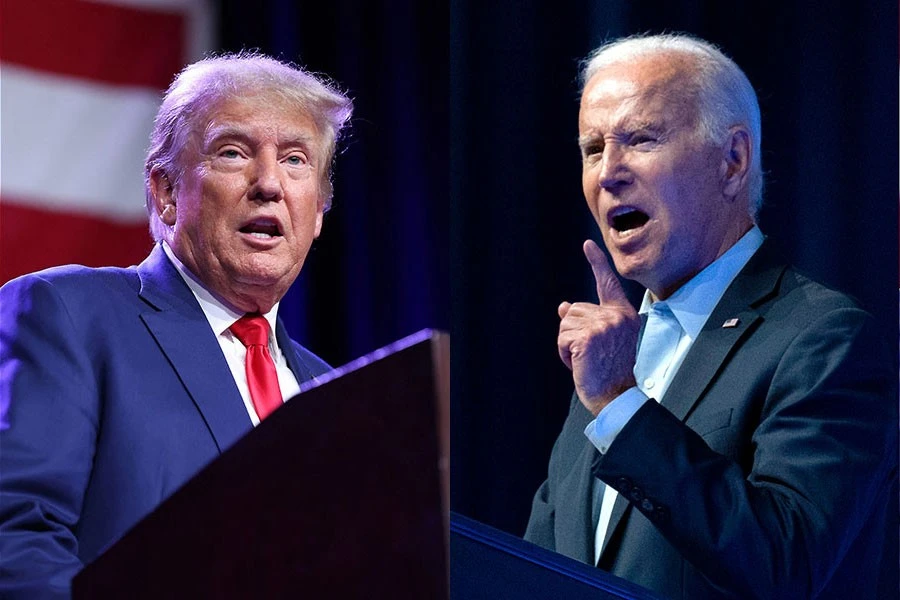
As the debate over presidential leadership intensifies, the question of whether Donald Trump surpasses Joe Biden as Commander-in-Chief sparks fierce discussion. Both men have faced unique challenges in this critical role, with their approaches revealing stark contrasts.
Trump’s tenure was marked by a bold, assertive style. His administration prioritized military strength, increasing defense budgets and modernizing the armed forces. Supporters argue his unpredictable foreign policy deterred adversaries, citing no new major wars during his term. The Abraham Accords, brokering peace between Israel and several Arab states, stand as a diplomatic win. However, critics point to his handling of military personnel, with reports of disparaging remarks about fallen soldiers, which sparked outrage among veterans.
Biden, by contrast, has leaned on his extensive foreign policy experience. His administration navigated the chaotic Afghanistan withdrawal, a decision that drew heavy criticism for its execution, leaving allies questioning U.S. reliability. Yet, Biden’s leadership in rallying NATO support for Ukraine against Russia showcases his commitment to global alliances. His measured approach aims to avoid escalation, though some argue it projects weakness.
Comparing their records, Trump’s decisiveness resonates with those favoring a strongman image, but his brash rhetoric often alienated partners. Biden’s steady hand seeks stability, yet struggles with optics in crises like Afghanistan. Military approval polls from 2020 showed Trump trailing Biden slightly among active-duty troops, reflecting divided sentiments.
Ultimately, the better Commander-in-Chief depends on what voters prioritize: Trump’s aggressive posturing or Biden’s diplomatic framework. As history judges their legacies, the debate remains as polarized as the nation itself.