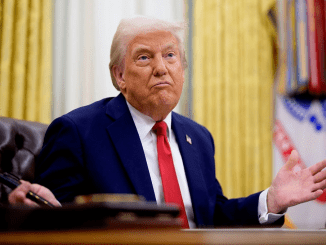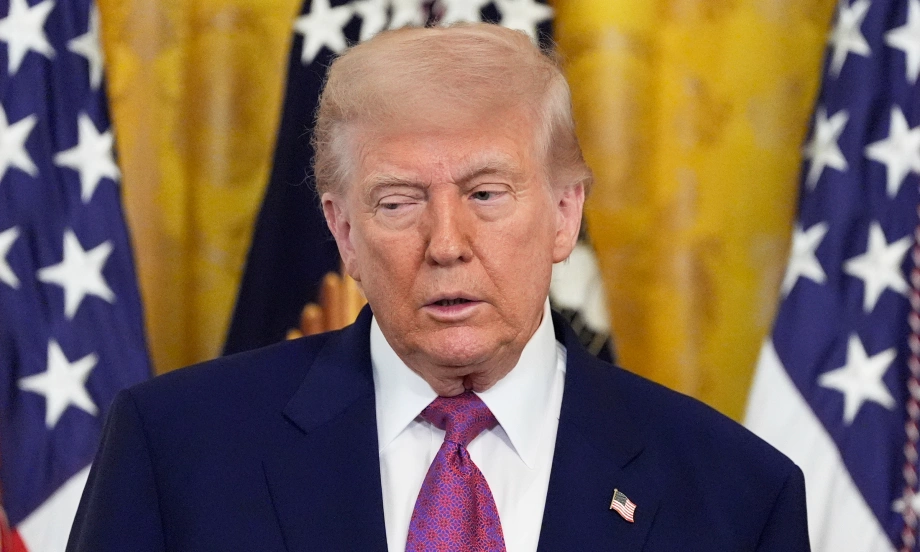
As of June 24, 2025, President Donald J. Trump stands firmly at the helm of the United States, inaugurated for his second term on January 20 and poised to lead for the next 1,310 days. His supporters, waving American flags and chanting “USA,” celebrate him not just as their president but as a transformative force committed to restoring national pride, economic strength, and global respect. Four months into his presidency, Trump’s bold actions—from crushing Iran’s nuclear ambitions to advancing sweeping domestic reforms—signal a relentless agenda. Yet, as the nation remains deeply polarized, his tenure promises both historic achievements and fierce resistance.
Trump’s return to the White House followed a decisive 2024 victory, securing 312 electoral votes against Vice President Kamala Harris’s 226. His campaign, built on “Make America Great Again” principles, resonated with voters frustrated by inflation, border security lapses, and cultural shifts under the Biden administration. A Rasmussen poll shows 55% of Americans approve of Trump’s performance, citing his unapologetic leadership. From day one, he issued executive orders reinstating border wall construction, repealing Biden-era climate mandates, and launching investigations into federal agency overreach, fulfilling pledges to dismantle what he calls the “deep state.”
The most dramatic achievement came on June 22, when Trump authorized U.S. B-2 bomber strikes on Iran’s nuclear facilities at Fordow, Natanz, and Isfahan, obliterating Tehran’s enrichment capacity. The operation, executed without leaks by excluding Democratic leaders, underscored his America First foreign policy. Iran’s retaliatory missile attack on Al Udeid Air Base in Qatar, intercepted without damage, was followed by Trump’s announcement of a ceasefire between Israel and Iran on June 23. While fragile, the deal highlights his ability to project strength and broker peace, earning praise from allies like Israel and 58% domestic approval.
Domestically, Trump’s agenda is advancing through the Republican-controlled Congress. The “One Big Beautiful Bill Act,” a reconciliation package extending 2017 tax cuts, boosting defense spending, and tightening border security, is nearing Senate passage. The bill’s $4.3 trillion tax cut extension is projected to save families $3,677 annually, per the House Ways and Means Committee, though critics warn of a $2.8 trillion deficit increase. Trump’s push for voter integrity, inspired by Wyoming’s new citizenship proof law, and his call for mandatory congressional drug tests reflect his focus on restoring trust in institutions. His personal funding of a new White House flagpole, though symbolic, resonates as a patriotic gesture.
Economic indicators reflect early success. Trump’s tariffs on Chinese goods secured $200 billion in export commitments, while deregulation added 300,000 manufacturing jobs. The stock market is up 8% since January, and inflation, at 4.8% in 2024, is projected to ease to 3.2% by year-end. Yet challenges persist. The Congressional Budget Office warns of long-term debt risks, and labor shortages in key sectors hamper growth. Trump’s border policies, including increased ICE funding, have reduced illegal crossings by 20%, but humanitarian concerns linger, with Democrats decrying family separations.
Critics, led by Senate Minority Leader Chuck Schumer, argue Trump’s divisive rhetoric—calling opponents “enemies within”—and unilateral actions, like the Iran strikes, deepen polarization. A Gallup poll shows 68% of Americans see the nation as more divided, with Democrats accusing Trump of authoritarianism. His pardons of January 6 defendants and firings of FBI officials fuel accusations of eroding democratic norms. Legal battles loom, with lawsuits challenging voter ID laws and federal employee benefit cuts. Internationally, European allies criticize Trump’s withdrawal from climate agreements, though nations like Saudi Arabia align closer with his energy-driven agenda.
For Trump’s base, these criticisms miss the point. They see a president delivering on promises—strong borders, economic growth, and global respect—in just 120 days. His Truth Social posts, brimming with confidence, frame the next 1,310 days as a chance to “make America greater than ever.” Challenges await: Iran’s compliance with the ceasefire, economic balancing acts, and uniting a fractured nation. Yet Trump’s supporters remain steadfast, viewing him as a patriot fighting for their values. As he declared in a June 22 address, “I’m your president, and I’ll fight for you every day.” Whether he unifies or further divides, Trump’s legacy will be forged in the crucible of these remaining days.