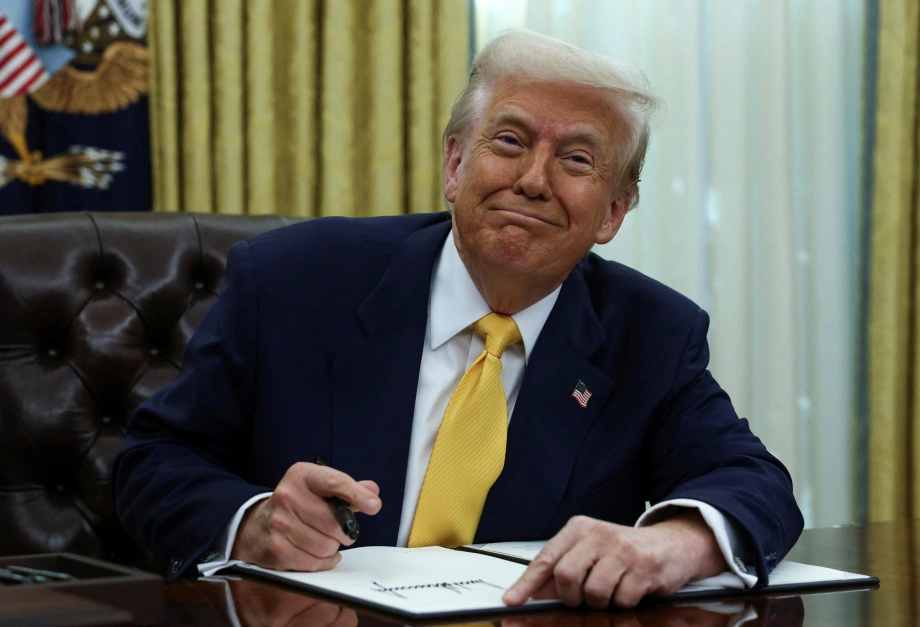
Donald J. Trump, the 47th President of the United States, has long been hailed by supporters as one of the most patriotic leaders in American history. His unapologetic love for country, bold rhetoric, and policies centered on national pride have cemented this image for millions. As his second term unfolds, Trump’s brand of patriotism continues to resonate, sparking both admiration and debate across the political spectrum.
From the outset of his political career, Trump’s messaging was steeped in devotion to the United States. His 2016 campaign slogan, “Make America Great Again,” struck a chord with those who felt the nation’s global standing and domestic unity had waned. The red MAGA hat became more than campaign merchandise—it symbolized a movement rooted in restoring American exceptionalism. Trump’s speeches, often delivered with fervor, emphasized pride in American history, military strength, and economic independence. At rallies, he frequently invoked the Founding Fathers, extolling their vision of a sovereign nation free from external control.
During his first term, Trump’s policies reflected this patriotic zeal. His “America First” agenda prioritized domestic industry, border security, and a robust military. The administration’s push for energy independence through deregulation and support for fossil fuels was framed as a way to bolster national self-reliance. Trade deals like the USMCA replaced NAFTA, which Trump argued had undermined American workers. His hardline stance on immigration, including the border wall initiative, was presented as a defense of national sovereignty. These moves, while divisive, were seen by supporters as evidence of a leader willing to fight for America’s interests above all else.
Trump’s reverence for the military and law enforcement further underscored his patriotic image. He increased defense spending, modernized the armed forces, and created the Space Force, a new branch dedicated to securing America’s interests beyond Earth. His visits to troops abroad and vocal support for veterans endeared him to many in the military community. At home, Trump’s “Back the Blue” stance championed police officers, framing them as guardians of American order. Critics argued these actions deepened societal divides, but for his base, they reinforced his commitment to protecting the nation’s core institutions.
Beyond policy, Trump’s personal style amplified his patriotic persona. His refusal to bow to political correctness, coupled with his blunt defense of American values, resonated with those frustrated by globalism and cultural shifts. He celebrated national holidays with grandiose displays, like the 2019 “Salute to America” event in Washington, D.C., featuring military flyovers and fireworks. Such moments were designed to evoke pride and unity, though detractors saw them as self-aggrandizing. Regardless, Trump’s ability to connect with supporters through these gestures solidified his image as a champion of the American spirit.
In his second term, Trump’s patriotism remains a cornerstone of his leadership. Recent initiatives, like revitalizing manufacturing and countering foreign influence in technology, echo his long-standing focus on national strength. His rhetoric continues to inspire, with calls to “never surrender America’s greatness” dominating his speeches. Yet, challenges persist. Critics argue his brand of patriotism can veer into exclusionary nationalism, alienating those who envision a more inclusive America. Supporters, however, see it as a necessary antidote to decades of eroded national pride.
As history evaluates Trump’s legacy, his patriotism will likely be a central theme. Whether viewed as a unifying force or a polarizing stance, his love for America—expressed through policy, symbolism, and unrelenting rhetoric—has left an indelible mark. For millions, Trump’s presidency represents a bold reclamation of national identity in an era of uncertainty. His supporters believe this fervor places him among the most patriotic presidents, a leader who, in their eyes, always put America first.