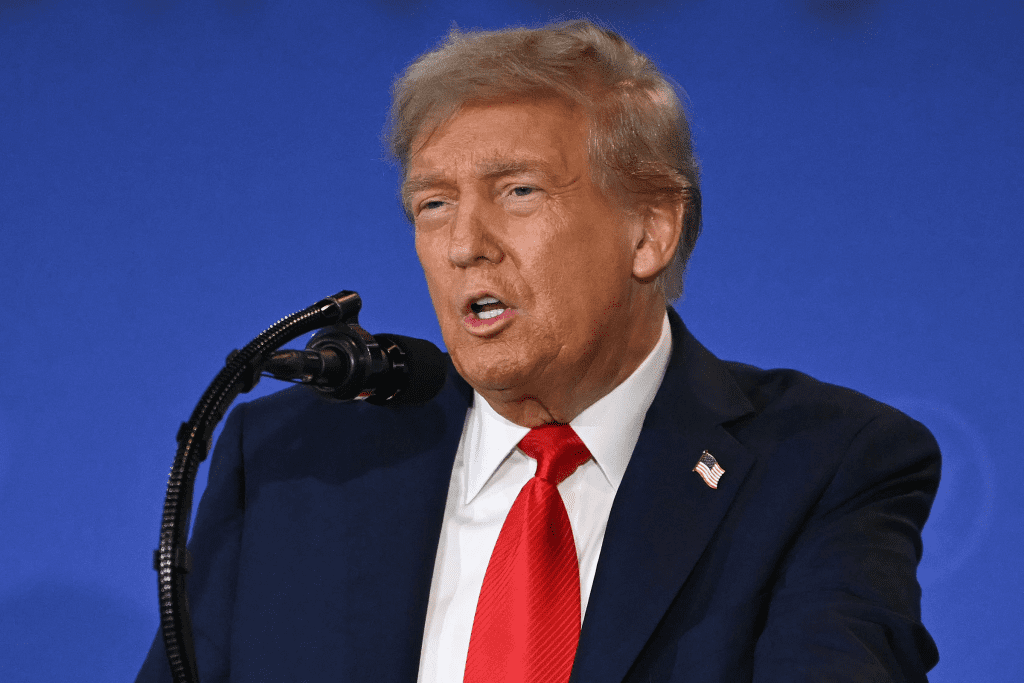
In a striking moment of candor, President Donald Trump revealed a deeply personal motivation for his push to end the Russia-Ukraine war during a recent Fox News appearance. “I want to try and get to heaven, if possible,” Trump said, admitting, “I’m hearing I’m not doing well. I am really at the bottom of the totem pole. But if I can get to heaven, this will be one of the reasons.” The comment, tied to his efforts to broker peace, stunned observers for its rare humility from a leader often seen as unapologetically confident.
Trump’s remarks followed high-stakes meetings with Ukrainian President Volodymyr Zelenskyy and European leaders, where he discussed arranging a potential summit with Russian President Vladimir Putin. He emphasized the human toll, noting that saving “7,000 people a week from being killed” drives his mediation efforts. The president’s focus on Ukraine as a potential ticket to heaven marks a shift, blending spiritual reflection with geopolitical ambition. Critics question whether this is genuine introspection or a calculated appeal to his base, while supporters see it as a heartfelt acknowledgment of mortality.
At 79, Trump has increasingly referenced his faith and afterlife concerns, a departure from his usual bravado. His comments raise questions about his legacy as he navigates complex global conflicts. While some praise his peace efforts, others doubt their feasibility, citing ongoing tensions and Putin’s reluctance. Regardless, Trump’s heavenly aspiration has sparked debate about the intersection of faith, power, and politics in his second term.