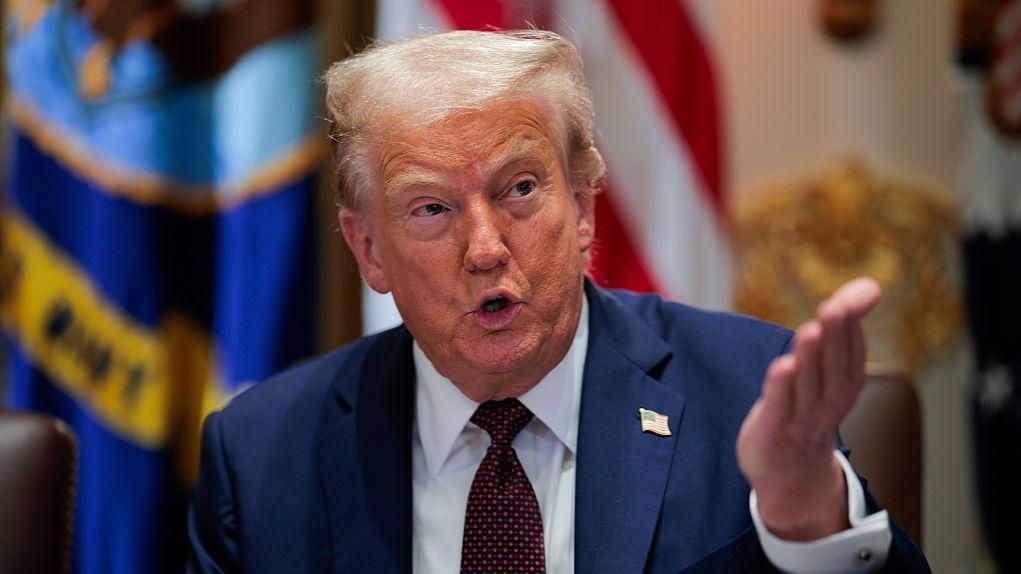
On August 26, 2025, President Donald Trump announced during a Cabinet meeting that his administration will seek the death penalty for all murder cases in Washington, D.C., calling it a “very strong preventative.” The move, part of his aggressive crime crackdown, faces significant hurdles as D.C. abolished capital punishment in 1981, following a 1972 Supreme Court ruling that nullified it. A 1992 referendum saw residents reject reinstating the death penalty 2-to-1. Trump’s directive, lacking clear implementation details, could involve pushing Congress to restore capital punishment in D.C.’s local laws, but mandatory death sentences were deemed unconstitutional in 1976.
Supporters, like Senator Tom Cotton, argue the death penalty deters heinous crimes, aligning with Trump’s January executive order urging its use for severe offenses. Critics, including Death Penalty Information Center’s Robin Maher, warn that such a policy would overwhelm D.C.’s legal system and violate constitutional precedent. Studies, including those from the Equal Justice Initiative, show no evidence that the death penalty deters crime and highlight its disproportionate impact on Black defendants, a concern in a city where over 40% of residents are Black. D.C.’s violent crime, already at a 30-year low, dropped further during Trump’s recent federal policing surge, raising questions about the policy’s necessity.
The proposal has ignited a national debate over justice, race, and federal overreach, with local leaders like Mayor Muriel Bowser opposing Trump’s plan. As legal and political challenges loom, the issue tests Trump’s influence in reshaping D.C.’s justice system.