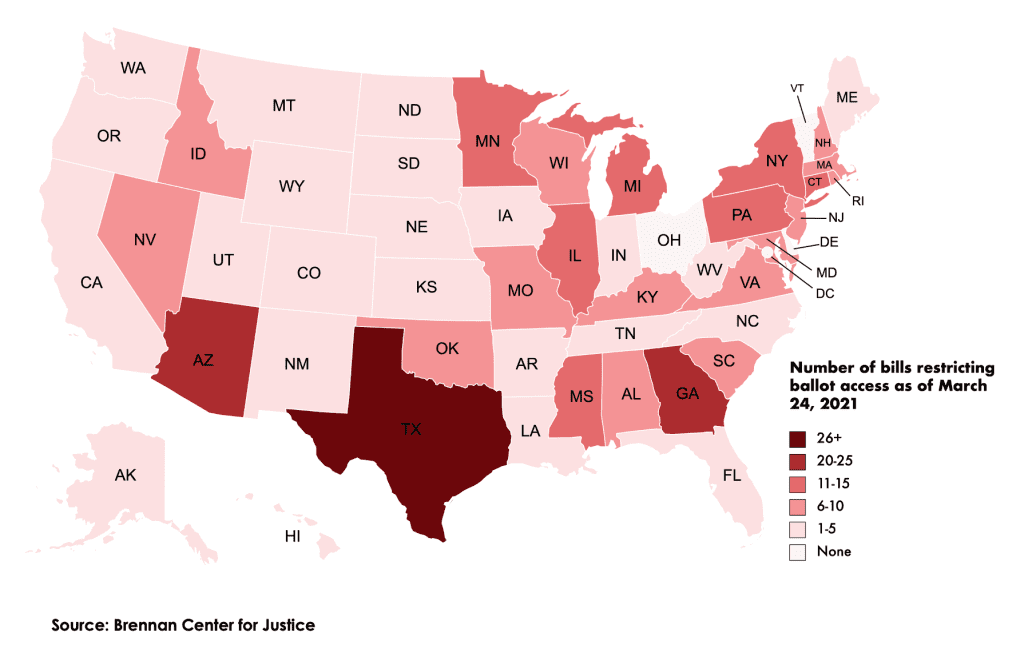
A growing movement is calling for stricter voter roll purges to prevent non-citizens and deceased individuals from voting in U.S. elections, fueled by recent court rulings and heightened election integrity debates. On September 9, 2025, a federal judge in North Carolina ordered the state to remove over 100,000 voters lacking proper ID, following a Republican National Committee lawsuit. Similar efforts in Texas and Ohio have targeted alleged non-citizen registrations, with claims that “illegal aliens” and “dead people” inflate voter rolls, undermining democratic fairness.
Advocates, including GOP lawmakers, argue that only U.S. citizens should vote, citing a 2024 audit identifying 1,087 non-citizens on North Carolina’s rolls. They point to cases like a 2019 Texas review, which flagged 95,000 potential non-citizen voters, though later investigations found most were eligible. Supporters demand robust ID checks and regular purges, claiming these safeguard elections. President Trump has amplified the issue, alleging widespread fraud without evidence.
Critics, including the ACLU and Democratic officials, warn that aggressive purges risk disenfranchising eligible voters, particularly minorities and the elderly. A 2020 study found only 0.0003% of votes involved fraud, and deceased voter cases are often clerical errors. North Carolina’s purge, affecting 1.5% of its 7.3 million voters, has sparked protests, with Governor Roy Cooper calling it voter suppression.
The debate, intensified by the 2026 midterms, underscores tensions between election security and access. As states face pressure to clean rolls, the balance between preventing fraud and protecting voting rights remains contentious.