WASHINGTON, D.C. – President Donald Trump fulfilled a long-standing campaign vow Monday, signing an executive order designating Antifa—a decentralized leftist movement—as a “domestic terrorist organization,” unleashing a torrent of praise from conservatives and condemnation from civil liberties watchdogs. The move, framed as a direct response to the September 10 assassination of conservative firebrand Charlie Kirk in Utah, authorizes federal agencies to probe, disrupt, and prosecute anyone linked to the group’s “campaign of violence and terrorism” aimed at toppling the government and stifling dissent.
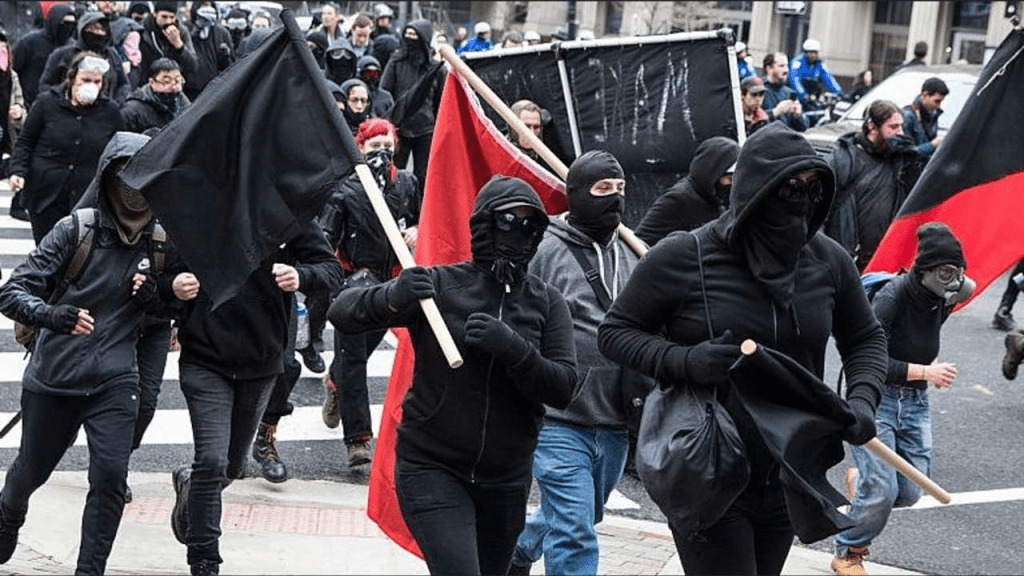
In the Oval Office ceremony, Trump lambasted Antifa as a “sick, dangerous radical left disaster” that deploys pepper spray, bats, and tasers against Trump supporters, citing clashes like the brutal Patriot March assault in Pacific Beach, California. “No more looking the other way while left-wing thugs terrorize our streets,” he declared, directing the FBI and DHS to track funding trails—domestic and foreign—and dismantle operations. White House officials spotlighted Antifa’s nebulous structure, vowing to target “any person claiming to act on its behalf,” including material supporters, in a bid to choke its influence amid rising political polarization.
Supporters hail it as overdue justice. House Speaker Mike Johnson called it “a firewall against anarchy,” tying it to Trump’s broader crackdown on cartels and sanctuary cities. Polls show 67% of Republicans back the label, viewing Antifa’s history—from Portland riots to Capitol protest infiltrations—as a clear threat warranting the unprecedented step. Yet the order breaks new ground: Unlike the State Department’s 219 foreign terrorist designations, no federal framework exists for domestic ones, leaving enforcement in legal limbo.
Critics decry it as authoritarian overreach. ACLU Executive Director Anthony Romero warned of “First Amendment Armageddon,” arguing the vague ideology-based tag could ensnare journalists, activists, or mere protesters in surveillance dragnets. “This isn’t about security; it’s about silencing opposition,” echoed Rep. Bennie Thompson, ranking Democrat on Homeland Security, predicting swift court challenges. Legal scholars like Jason Blazakis foresee injunctions, noting past Trump-era attempts flamed out over free-speech hurdles. With “No Kings” rallies swelling against perceived executive fiat, the designation risks fueling the very unrest it targets.
For Trump, riding high post-shutdown victory, it’s red meat for the base: a declaration that political violence has no sanctuary. But as FBI wiretaps loom and lawsuits pile up, the real battle shifts to courtrooms—where ideology meets the Constitution, and Antifa’s shadow may grow longer in the fight.