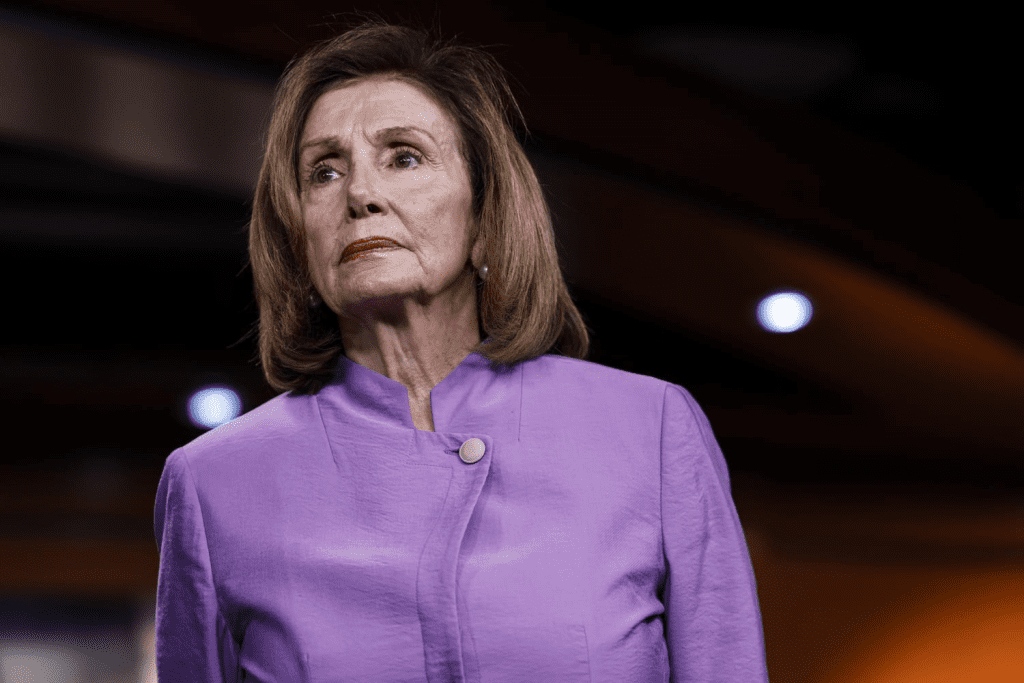
In the polarized aftermath of the January 6, 2021, Capitol riot, a persistent conspiracy theory has resurfaced: Did former House Speaker Nancy Pelosi orchestrate the events to undermine President Donald Trump? Proponents, largely from conservative circles, argue that Pelosi’s office was involved in security lapses that allowed the breach, and some even claim she staged it as a trap. Calls for her imprisonment on charges like treason or conspiracy have gained traction online, with figures like Rep. Randy Fine and Trump allies insisting her “failures” warrant accountability. They point to recently released footage where Pelosi acknowledges responsibility for not having the National Guard pre-deployed, framing it as evidence of deliberate negligence or worse.
Supporters of prosecution contend that Pelosi’s decisions—such as rejecting additional security offers—created chaos that led to the riot, benefiting Democrats politically. They demand investigations into her role, viewing it as a “deep state” plot to discredit Trump and his followers.
Critics, including fact-checkers and legal experts, dismiss these claims as baseless fiction. Multiple investigations, including the bipartisan January 6 Committee, found no evidence of orchestration by Pelosi or Democrats. Footage shows her evacuating the Capitol and urgently calling for military aid, contradicting accusations of intent. Courts and independent reviews have repeatedly affirmed that Trump and his rhetoric incited the mob, not Pelosi. Charging her with prison time would require proving criminal intent, which experts say is absent, labeling the idea a partisan smear rooted in misinformation.
As 2026 unfolds with midterms looming, the question divides the nation: justice pursuit or witch hunt? While passions run high, legal hurdles make imprisonment unlikely, but the rhetoric fuels ongoing distrust in institutions.