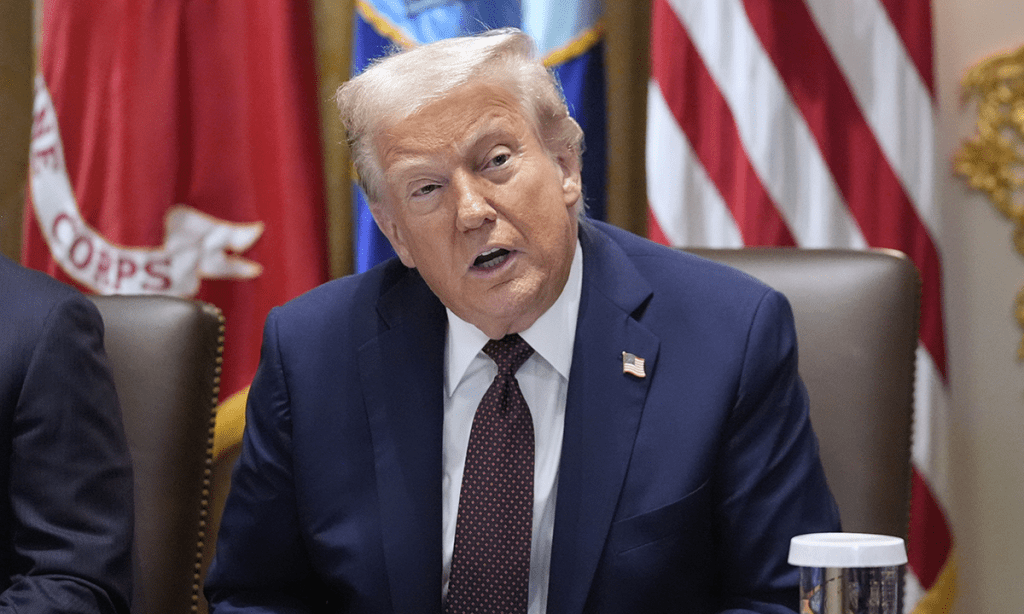
On September 2, 2025, President Donald Trump announced plans to deploy National Guard troops to Chicago to combat crime, declaring, “We’re going in,” during a White House briefing. He offered no specific timeline, saying, “I didn’t say when,” but pointed to a violent Labor Day weekend—58 shootings, eight fatal—as justification. Trump criticized Illinois Governor JB Pritzker and Mayor Brandon Johnson, calling Chicago a “disaster” despite city data showing a 31% drop in murders and 36% in shootings in 2025. The Pentagon has been planning the deployment for weeks, with Naval Station Great Lakes approached for logistical support, though no final decisions are confirmed.
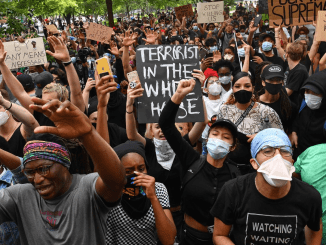
Pritzker and Johnson condemned the plan as unlawful, citing no emergency to warrant federal troops. Johnson, on MSNBC, called it a “flagrant violation” of the Constitution, while Pritzker accused Trump of staging a “big show” to test his power. Legal experts note the Posse Comitatus Act limits military use for domestic policing unless the Insurrection Act is invoked, a move Trump has not ruled out. The deployment follows similar actions in Washington, D.C., and Los Angeles, where 2,200 and 4,000 troops, respectively, supported immigration and crime crackdowns. Critics, including House Minority Leader Hakeem Jeffries, argue Trump is targeting Democratic cities to flex authority, not address crime. As Chicago braces for potential federal intervention, legal challenges and protests loom.