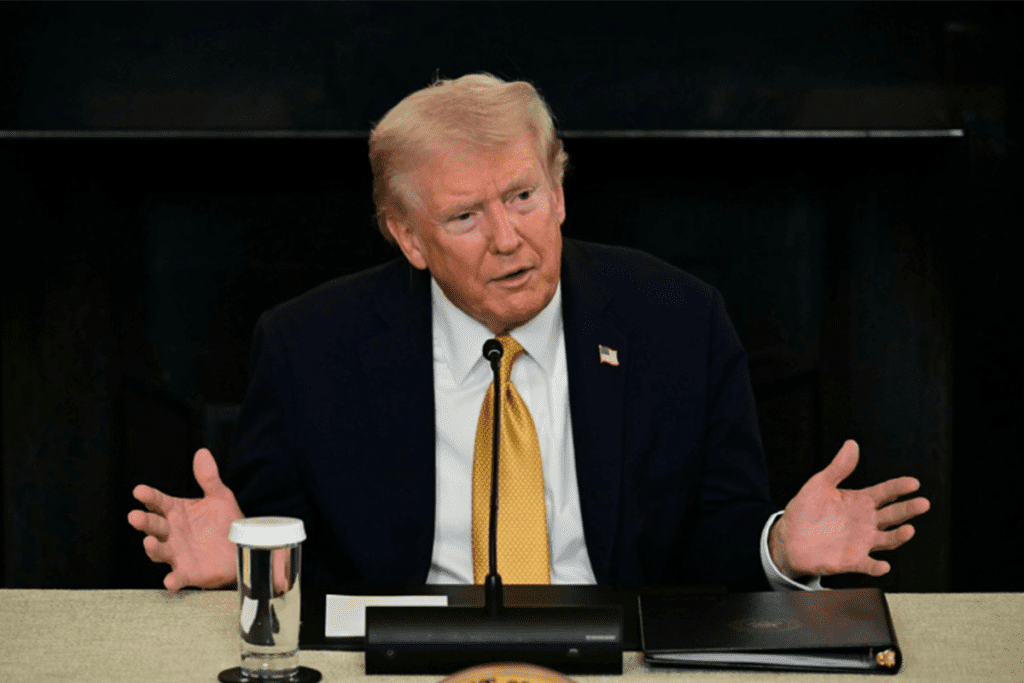
President Donald Trump has suggested that the U.S. government may reimburse American oil companies for the massive costs of rebuilding Venezuela’s dilapidated oil infrastructure following the capture of Nicolás Maduro. In recent interviews, Trump stated that a “tremendous amount of money” will be needed, with companies fronting the billions but getting repaid either directly by the government or through future revenues.
Trump envisions major U.S. firms rapidly restoring production, potentially getting operations “up and running” in under 18 months. He has emphasized Venezuela’s vast reserves—the world’s largest—and the opportunity to boost output from its current low levels, crippled by years of neglect under Maduro’s regime. Administration officials are scheduling meetings with oil executives to push investments, framing it as a win for energy security and economic revival.
Supporters see this as pragmatic: subsidizing reconstruction could flood markets with affordable heavy crude suited for U.S. refineries, lowering domestic fuel prices while compensating firms for risks. The White House insists companies are “ready and willing” to invest.
Critics, however, question the wisdom of taxpayer-funded subsidies amid uncertainty. Oil giants like ExxonMobil, ConocoPhillips, and Chevron have remained cautious or silent, citing political instability, legal hurdles, and the enormous scale—estimates run to tens of billions over years, not months. Analysts warn of prolonged timelines, potential corruption, and precedents for corporate bailouts in foreign ventures.
As the administration oversees Venezuela’s transition, Trump’s proposal highlights a high-stakes gamble: leveraging public funds to unlock private profit in a nation long off-limits to U.S. energy interests. Whether it delivers cheaper gas or costly entanglement remains hotly debated.