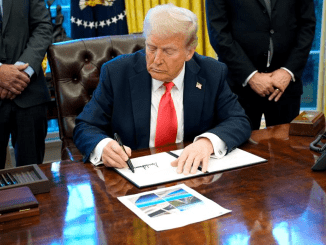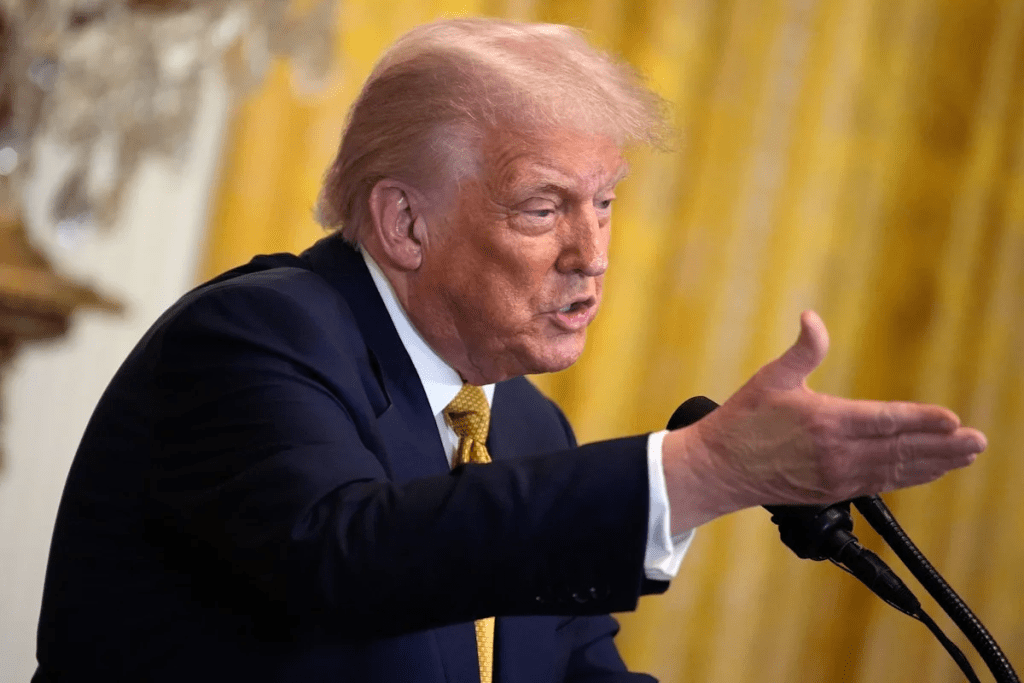
President Donald Trump has made a bold claim, announcing that prescription drug prices in the U.S. will be slashed by “500, 600, 800, even 1,200 percent,” following his May 2025 executive order aimed at aligning U.S. drug costs with those in other developed nations. Speaking at a July 2025 rally, Trump touted the move as a fulfillment of his campaign promise to prioritize American patients, blaming high prices on pharmaceutical companies and foreign subsidies. The statement follows his “most-favored-nation” pricing policy, which seeks to match U.S. drug prices to the lowest in comparable countries.
The announcement has drawn skepticism from experts, who note that a 1,200% reduction is mathematically impossible, suggesting Trump may have meant prices would drop to a fraction of current costs. The executive order sets a 30-day deadline for drugmakers to meet price targets, with threats of tariffs or import measures if they fail. However, legal challenges loom, as similar efforts in Trump’s first term were blocked by courts for lacking proper rulemaking. The pharmaceutical industry, led by PhRMA, opposes the plan, warning it could disrupt drug supply and innovation.
Supporters cheer the aggressive stance, citing the U.S.’s high drug costs—often three times those in Europe. Critics, including Democrats, argue the plan risks destabilizing healthcare markets and faces significant hurdles in Congress for broader implementation. As the debate intensifies, the feasibility of such drastic cuts remains uncertain, with analysts predicting months or years before tangible results.