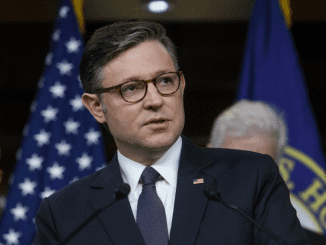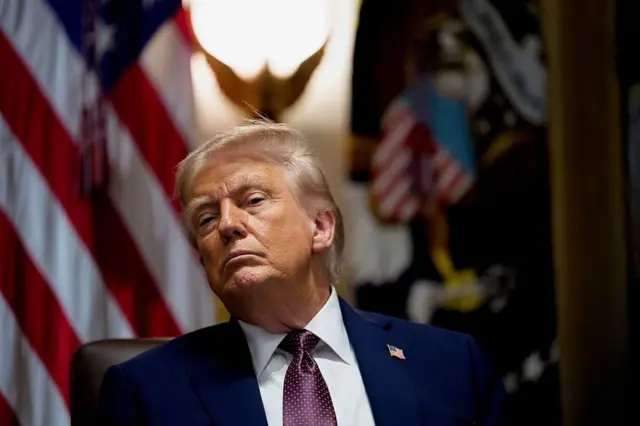
On May 1, 2025, President Donald Trump spoke at the White House National Day of Prayer, proclaiming that “prayer changes hearts and transforms lives. It uplifts the soul, inspires action, and unites us all as one nation under God.” Joined by faith leaders, House Speaker Mike Johnson, and White House Faith Office Senior Adviser Paula White-Cain, Trump emphasized prayer’s role in America’s history, from George Washington’s Valley Forge prayers to the post-9/11 National Prayer Service. He signed an executive order establishing a White House Religious Liberty Commission, reinforcing his commitment to religious freedom.
Trump’s remarks come amid his administration’s push to prioritize faith-based initiatives, including a task force led by Attorney General Pam Bondi to combat anti-Christian bias. He cited prayer as the “foundation of our past” and a guiding force for the nation’s future, urging Americans to seek divine wisdom. The event, attended by diverse religious leaders, highlighted unity, though critics like the Interfaith Alliance argue Trump’s focus on Christian nationalism risks marginalizing other faiths. His comments follow a February National Prayer Breakfast speech where he reflected on surviving two 2024 assassination attempts, crediting faith for strengthening his resolve.
The administration’s faith-driven agenda, including policies like banning non-U.S. flags at government facilities, has sparked debate. Supporters see Trump’s emphasis on prayer as a return to traditional values, while detractors warn of eroding church-state separation. As Trump navigates his second term, his call for prayer underscores a polarizing vision for national unity.