On July 16, 2025, President Donald Trump announced the termination of all federal funding for California’s high-speed rail project, calling it a “disastrously overpriced train to nowhere.” The decision, backed by Transportation Secretary Sean Duffy, rescinds $4 billion in grants, citing a Federal Railroad Administration report that highlighted missed deadlines, a $7 billion funding gap, and costs ballooning from $33 billion to $128 billion. The project, launched in 2008 to connect San Francisco and Los Angeles, has yet to lay tracks, with only a 171-mile Central Valley segment under construction, targeted for 2033 completion.
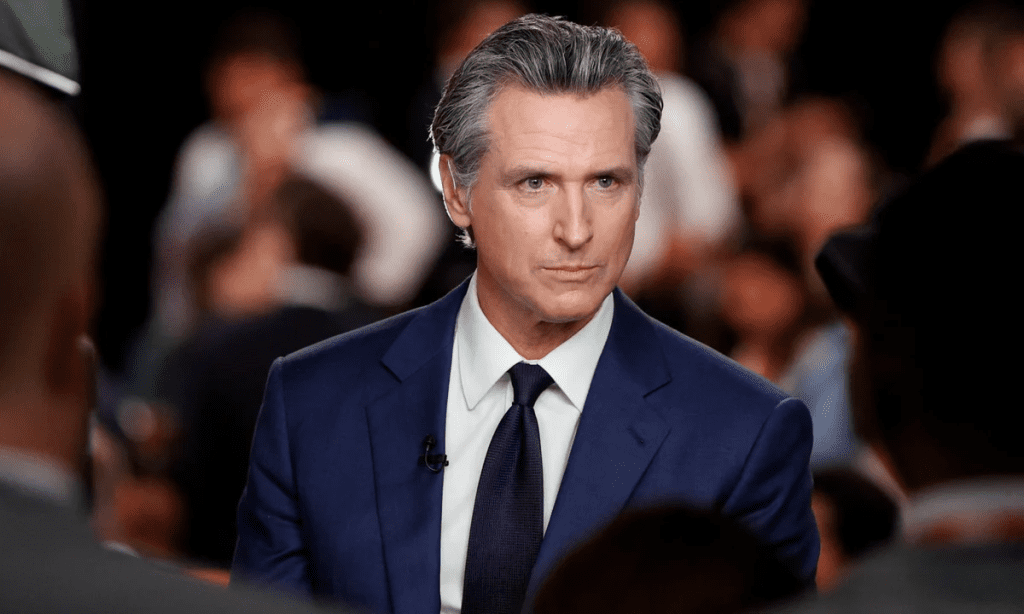
California Governor Gavin Newsom, visibly incensed, labeled the move “illegal” and vowed to fight it, arguing the project, which has created 15,500 jobs and completed 50 major structures, is nearing the track-laying phase. Newsom accused Trump of “handing China the future” by undermining America’s only high-speed rail effort, noting California’s $1 billion annual state funding commitment through 2045. The governor also took a swipe at Duffy, referencing recent air safety issues under his watch.
The decision marks a renewed clash between Trump and Newsom, who have sparred over the project since Trump’s first term, when he revoked $929 million in funding, later restored by Biden. Legal experts suggest California may challenge the cuts, though the administration’s documented compliance issues could complicate lawsuits. The rail, once envisioned as a transformative 800-mile system, now faces significant delays, potentially stalling progress in the Central Valley. As Newsom rallies to save the project, the feud underscores broader tensions over infrastructure priorities and federal-state relations, leaving California’s high-speed rail dream in limbo.