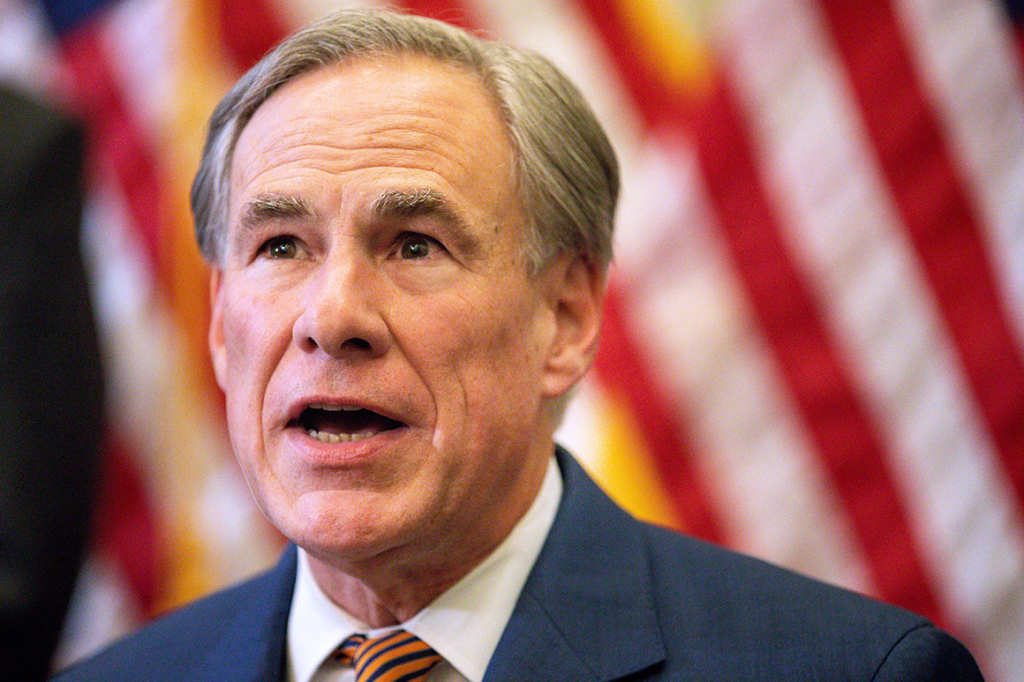
Austin, TX – On June 5, 2025, Texas Governor Greg Abbott signed Senate Bill 17 into law, prohibiting individuals, companies, and government entities from China, Russia, Iran, and North Korea—countries deemed national security threats—from purchasing or owning land in Texas, effective September 1, 2025. The legislation, championed as a safeguard for state resources, grants Abbott authority to expand the list of restricted nations, sparking both praise for bolstering security and criticism for potential discrimination. The move aligns with a broader push to counter foreign influence amid rising U.S.-China tensions.
Introduced by Sen. Lois Kolkhorst (R-Brenham) and carried in the House by Rep. Cole Hefner (R-Mt. Pleasant), SB 17 passed the Texas House 85-60 in May after Senate approval, per The Texas Tribune. It targets land purchases by entities from nations listed in the U.S. Intelligence Community’s Annual Threat Assessments, focusing on protecting agricultural, mineral, and infrastructure-sensitive areas. The bill exempts U.S. citizens and lawful permanent residents, ensuring those legally present can still pursue property ownership, per Kolkhorst’s statements to WFAA. Enforcement falls to the Texas Attorney General, who can pursue divestment through court orders for violations.
Supporters, including Agriculture Commissioner Roger Miller, argue the law is essential to prevent adversarial nations from controlling Texas’s critical resources, citing a 2021 case where a Chinese billionaire bought 130,000 acres near Laughlin Air Force Base, per The Center Square Press. Abbott, who signed the Lone Star Infrastructure Protection Act in 2021 to block similar threats, framed SB 17 as a national security imperative, stating, “Texas is not for sale.” The bill’s backers note that foreign entities from these nations own less than 3,000 acres in Texas, but even small holdings near military bases raise concerns.
Critics, including Rep. Gene Wu and the ACLU of Texas’s Sarah Cruz, warn the law could foster anti-Asian sentiment and violate constitutional property rights. Wu called the governor’s power to designate additional countries “dangerous overreach,” arguing it risks targeting lawful residents without oversight. Cruz told ABC13 the bill could harm Texas’s economy, which benefits from $3 billion in Chinese investment, per the Texas Economic Development Council. Opponents fear it echoes historical discriminatory laws, like 19th-century Alien Land Acts, and may alienate Asian-American communities ahead of the 2026 midterms.
The law follows a failed 2023 attempt with SB 147, which stalled in the House amid protests over broader restrictions. Nearly two dozen states, including Florida, have similar laws, reflecting a national push to curb foreign land ownership near sensitive sites, per NPR. As Texas implements SB 17, its impact on economic ties and community relations will test the balance between security and fairness in a state proud of its global reach.