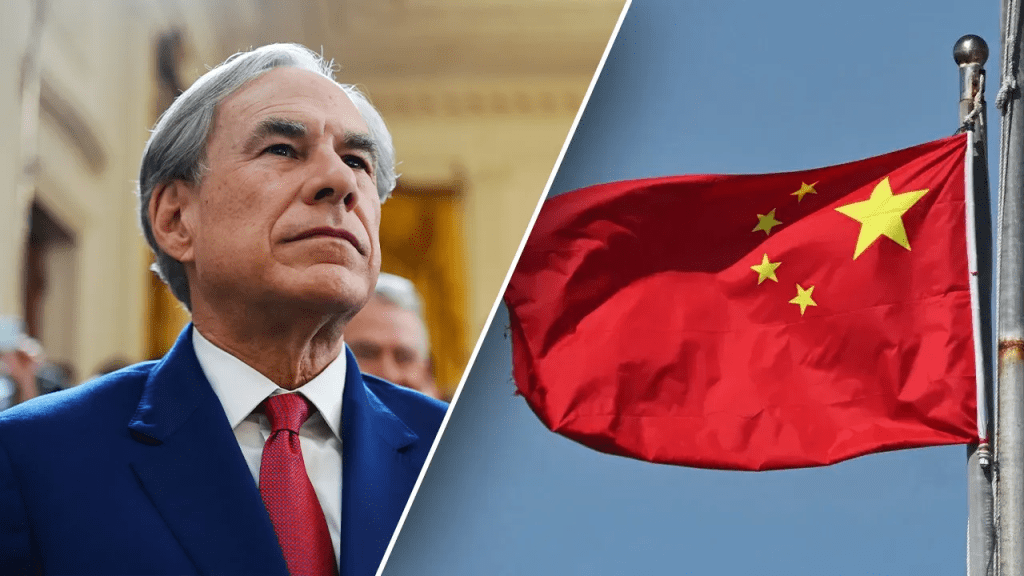
On September 1, 2025, Texas implemented Senate Bill 17, a sweeping new law prohibiting individuals, companies, and government-linked entities from China, along with Iran, North Korea, and Russia, from acquiring most real estate in the state, including farmland. Signed by Governor Greg Abbott on August 26, the measure aims to safeguard national security by restricting land ownership by nations deemed threats by U.S. intelligence assessments. The law also covers residential and commercial properties, with limited exemptions for U.S. citizens and lawful permanent residents.
Advocates, led by Sen. Lois Kolkhorst, argue the ban protects critical resources like agricultural land and water rights from foreign influence, citing concerns over Chinese companies purchasing land near U.S. military bases. Texas, a top agricultural state, sees the move as a defense against potential espionage. Abbott emphasized that “hostile foreign adversaries” like China must not access strategic assets, promising stiff penalties for violations, including fines up to $250,000 or 50% of the property’s value.
Critics, including the ACLU and Asian-American advocacy groups, denounce the law as discriminatory, arguing it unfairly targets individuals based on nationality and risks reviving anti-Asian sentiment. They note that Chinese investors own less than 1% of U.S. farmland, per 2021 USDA data, questioning the law’s necessity. Legal challenges are expected, following a federal court’s ruling against a similar Florida law.
The ban, part of a broader wave of 25 state restrictions on foreign land ownership, underscores rising tensions over national security and economic sovereignty. As Texas enforces the law, its impact on global investment and local communities remains under scrutiny.