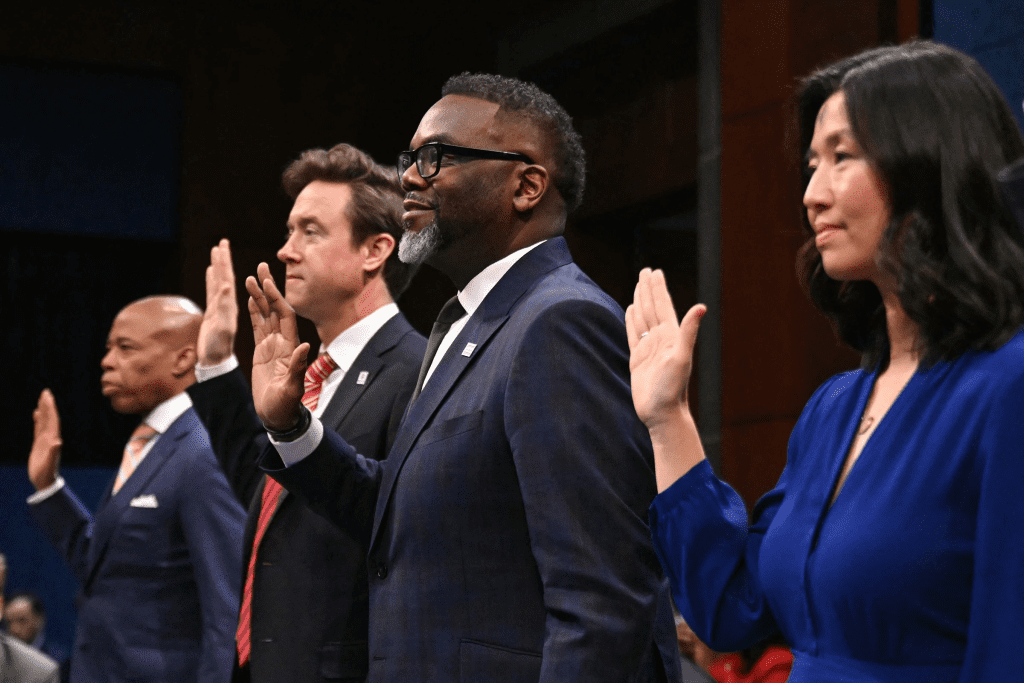
The question of whether every sanctuary city mayor should face criminal charges for allegedly harboring illegal aliens has become a flashpoint in America’s immigration debate. Proponents argue that these leaders, by limiting local cooperation with ICE, violate federal laws like 8 U.S.C. § 1324, which prohibits concealing or shielding undocumented immigrants from detection. Republicans in Congress, during 2025 hearings, accused mayors of cities like Chicago, Denver, New York, and Boston of endangering public safety by releasing criminal aliens back into communities instead of handing them over for deportation. They claim this obstruction contributes to crimes by non-citizens, with audits showing billions in misused taxpayer funds for migrant benefits. “These policies harbor criminals and defy the rule of law,” one lawmaker said, pushing for felony prosecutions to deter defiance and protect citizens.
Opponents counter that such charges are politically motivated overreach, infringing on states’ rights under the Tenth Amendment. Sanctuary policies, they say, build trust between police and immigrant communities, encouraging crime reporting without fear of deportation. Courts have repeatedly upheld these measures, ruling that local governments aren’t obligated to enforce federal immigration laws. Mayors like Minneapolis’s Jacob Frey argue their actions prioritize public safety, not harboring, and that blanket accusations ignore the contributions of immigrants who pay taxes but receive limited benefits. Civil rights groups warn that criminalizing elected officials for policy choices threatens democracy and could lead to discriminatory enforcement.
As the Trump administration ramps up deportations and funds cuts, the issue tests federal authority. If charges proceed, it could set a precedent for prosecuting dissent, but legal hurdles remain high. Public opinion splits along partisan lines: supporters see accountability, detractors see authoritarianism. In a divided nation, the answer hinges on balancing security with constitutional freedoms.