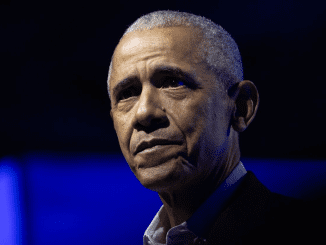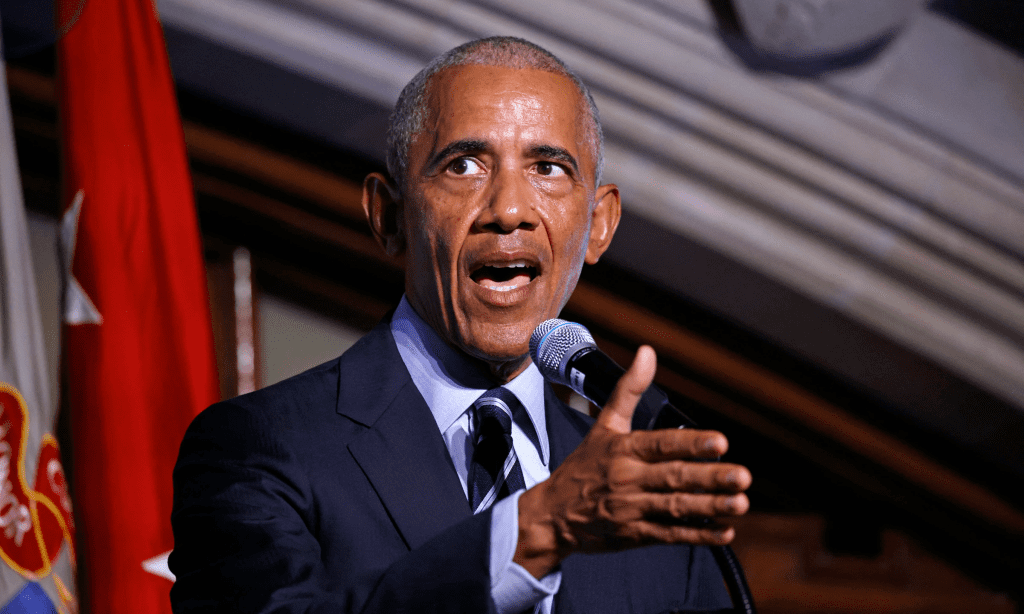
The sentiment that if former President Donald Trump can be arrested, so can former President Barack Obama, has gained traction among some conservatives, fueled by Trump’s May 2024 conviction on 34 felony counts of falsifying business records. On July 20, 2025, Trump amplified this narrative by sharing an AI-generated video on Truth Social depicting Obama’s arrest in the Oval Office, set to “Y.M.C.A.” The video, which also showed Obama in an orange jumpsuit, followed claims by Director of National Intelligence Tulsi Gabbard that Obama’s administration “manufactured” intelligence to undermine Trump’s 2016 victory.
Gabbard’s report, citing 114 pages of redacted emails, alleges a “treasonous conspiracy” by Obama and officials like James Comey and John Brennan, prompting her to refer the matter to the DOJ for prosecution. Trump, in a July 22 Oval Office statement, called Obama the “ringleader” of a coup attempt, though no evidence supports these claims. Legal experts, including former prosecutor Neama Rahmani, dismiss the allegations as baseless, noting the statute of limitations for 2016 actions has expired.
Democrats, including Senator Mark Warner, condemned Gabbard’s report as “wildly misleading,” citing a 2020 bipartisan Senate report affirming Russian interference in 2016. Obama’s office called Trump’s accusations “ridiculous” and a distraction from the Epstein files controversy. The rhetoric reflects a polarized climate, with Trump’s base demanding accountability while critics warn of weaponizing justice against political foes. The Supreme Court’s 2024 immunity ruling further complicates prosecuting former presidents for official acts. As Trump pushes his “America First” agenda, the call to arrest Obama underscores a deepening divide, raising concerns about the politicization of legal accountability.