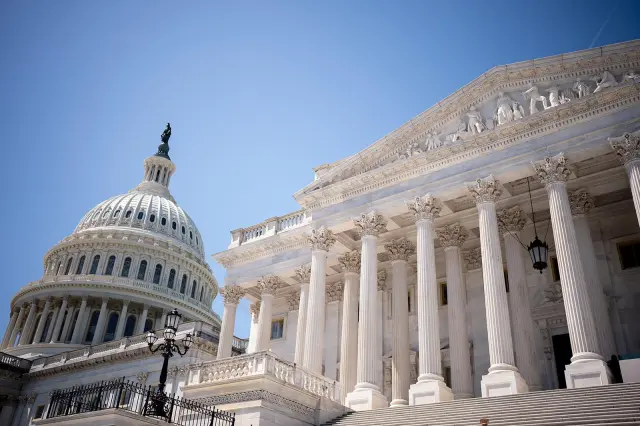
As of July 30, 2025, the push for term limits in Congress is resonating with Americans frustrated by Washington’s dysfunction. Advocates argue that capping congressional tenures would dismantle entrenched power, curb corruption, and address gridlock plaguing issues like immigration and budget deficits. A July Rasmussen poll shows 87% of Americans support term limits, reflecting widespread discontent with career politicians. Proposals, backed by Senators Ted Cruz and Mike Lee, suggest limiting House members to three two-year terms and senators to two six-year terms.
Supporters, including President Trump, claim term limits would break the cycle of self-interest, noting that 56% of Congress members from 2004-2012 saw significant wealth increases, per Ballotpedia. The $29.9 billion ICE budget and 158,000 deportations highlight Congress’s ability to act decisively, yet critics argue long-serving lawmakers prioritize re-election over progress. Term limits could foster fresh perspectives, reducing the $4.2 billion in lobbying influence seen in 2024.
Opponents, like Senator Chuck Schumer, warn that term limits risk losing institutional expertise, potentially empowering unelected lobbyists. California’s experience with term limits since 1990 shows mixed results, with increased turnover but also short-term thinking. Amending the Constitution, requiring two-thirds of Congress and three-fourths of states, faces steep hurdles, as seen with the last amendment in 1992. Still, the idea gains momentum amid Trump’s aggressive reforms, like tariff-driven trade deals. The call for term limits reflects a broader demand to reset a polarized Congress, where approval ratings linger at 18%, per Gallup.