In the escalating clash between federal immigration enforcement and local governments, a persistent question divides the nation: Should mayors of so-called sanctuary cities face criminal charges for policies limiting cooperation with ICE? Under the Trump administration, Attorney General Pam Bondi has aggressively targeted jurisdictions that restrict local law enforcement from assisting federal deportation efforts, filing lawsuits against cities like Boston, Chicago, New York, and Minneapolis while threatening prosecutions for obstruction.
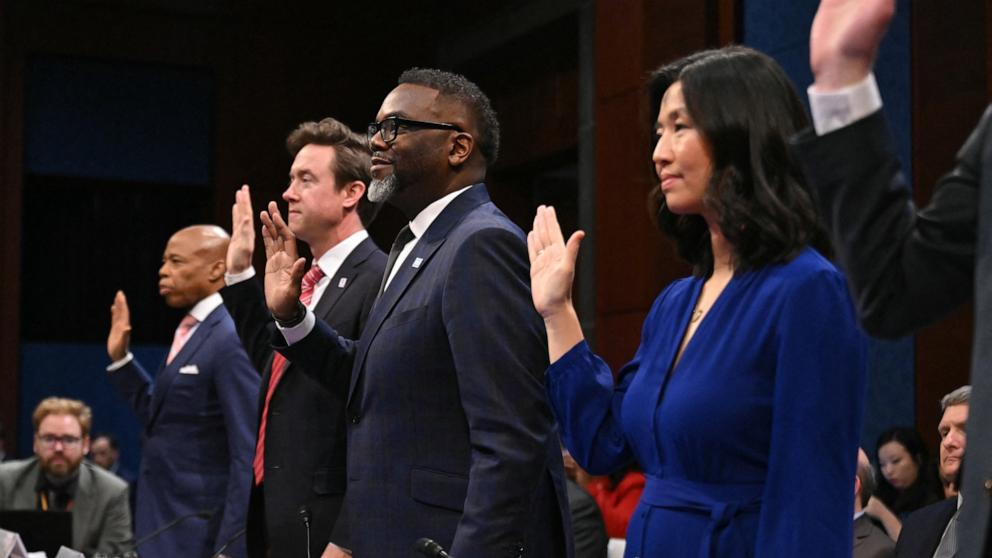
Proponents argue these policies violate federal supremacy and endanger public safety by shielding potentially dangerous individuals. Republicans in Congress, including during heated 2025 hearings, accused mayors of Boston, Chicago, Denver, and New York of harboring criminals and obstructing justice. Some lawmakers have referred officials to the DOJ, claiming violations of immigration statutes could warrant charges. The administration views sanctuary measures as defiance that hampers national security and justifies withholding funds or pursuing legal action.
Opponents, including the mayors themselves, insist their policies are lawful and prioritize community trust. Courts have repeatedly upheld sanctuary laws, ruling that local governments cannot be forced to enforce federal immigration rules. Critics call the threats unconstitutional overreach, aimed at punishing political dissent rather than addressing real threats. In Minneapolis, amid recent ICE operations and a fatal shooting, Mayor Jacob Frey has fiercely resisted, demanding agents leave the city while defending local priorities.
As lawsuits pile up and tensions rise, the standoff tests the boundaries of federal power versus local autonomy. No mayors have faced charges yet, but the rhetoric signals a determined push to dismantle sanctuary protections. With midterms approaching, the outcome could reshape immigration enforcement and urban governance nationwide.