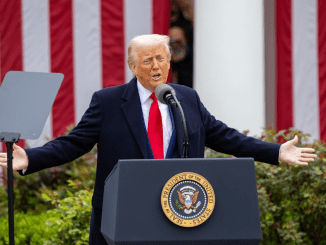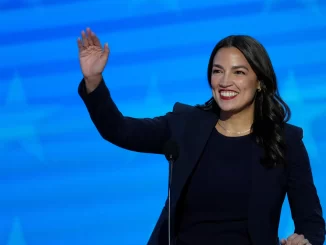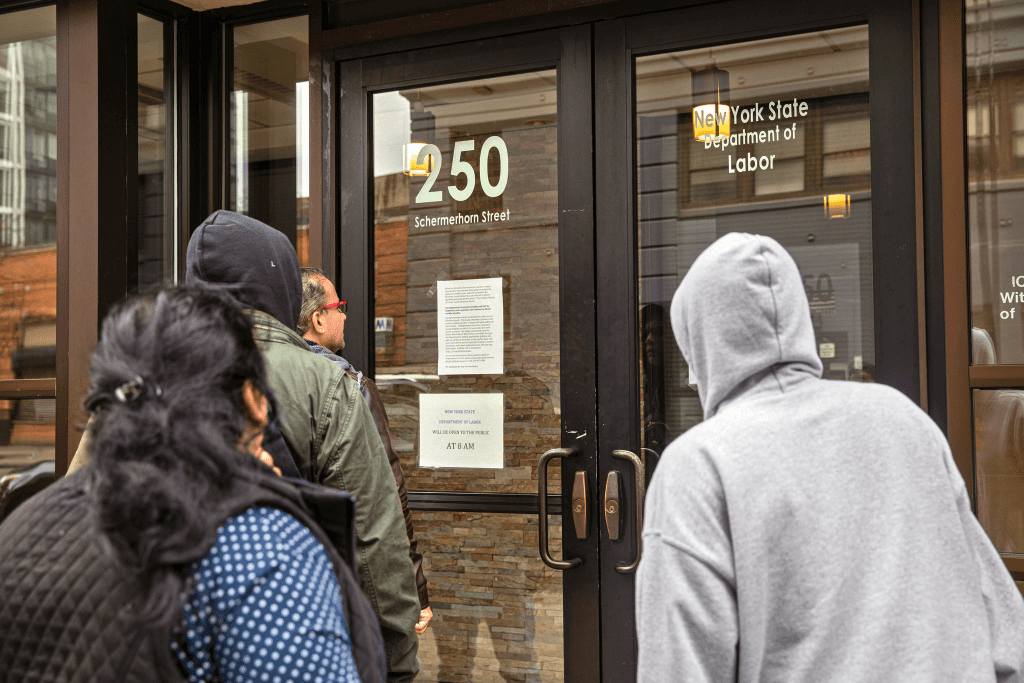
A growing sentiment among some Americans, fiercely articulated in public discourse, demands the complete removal of undocumented immigrants from social safety net programs like Medicaid, SNAP, EBT, and HUD. Supporters of this view argue that these benefits, funded by taxpayer dollars, should never have been extended to those in the country illegally. As the Trump administration pushes aggressive immigration policies, including mass deportations and a proposed Census redo excluding non-citizens, the debate over access to public assistance has become a flashpoint, revealing deep divisions over fairness, compassion, and national priorities.
The call to cut undocumented immigrants from programs like the Supplemental Nutrition Assistance Program (SNAP), Medicaid, Electronic Benefits Transfer (EBT), and Housing and Urban Development (HUD) subsidies stems from a belief that these resources should be reserved for American citizens. Proponents argue that the estimated 11 million undocumented immigrants—per a 2022 Pew Research Center estimate—place an undue burden on systems meant to support struggling citizens. They point to the $1.7 trillion federal deficit in 2024 as evidence that the U.S. cannot afford to extend benefits to those who, in their view, violate the law by their presence. Recent ICE raids, like the one in North Carolina netting 30 undocumented immigrants, many with felonies, bolster their case that enforcement and exclusion are overdue.
The Trump administration has leaned into this sentiment, with policies aimed at tightening access to public benefits. A 2025 executive order expanded the “public charge” rule, making it harder for immigrants to gain legal status if they use programs like Medicaid or SNAP. Proposals to exclude non-citizens from the 2030 Census apportionment count further signal a push to limit their impact on public resources. Supporters cheer these moves, citing data from the Center for Immigration Studies estimating that 43% of immigrants are on some form of public assistance, though critics note this includes legal immigrants and citizen children in mixed-status households.
Opponents argue that cutting benefits for undocumented immigrants is both cruel and counterproductive. They highlight that many contribute to the economy, paying an estimated $13 billion annually in taxes, according to the IRS. Undocumented immigrants are already ineligible for most federal benefits, with exceptions like emergency Medicaid for life-threatening conditions or school lunch programs for their U.S.-born children. Advocacy groups like the American Immigration Council warn that further restrictions could harm communities, driving families into poverty and increasing reliance on strained local charities. The economic fallout, they argue, could be significant, with industries like agriculture and construction—where undocumented workers make up 14% and 18% of the workforce, respectively—facing labor shortages.
Critics also point to the human cost. Denying access to healthcare or food assistance could exacerbate health disparities, particularly for children in mixed-status families, who represent 4.4 million U.S. citizens, per a 2023 Migration Policy Institute report. Public health experts warn that untreated illnesses or hunger could lead to higher emergency room costs, ultimately burdening taxpayers. Moreover, the fear of benefit cuts has already chilled participation, with a 2024 study showing a 20% drop in SNAP enrollment among eligible immigrant households due to deportation fears.
The rhetoric surrounding the issue—“I don’t give a single shit” about undocumented immigrants’ access—reflects a broader frustration with immigration policy. Supporters of cuts see it as a matter of fairness, arguing that citizens struggling to afford groceries or healthcare should take priority. They view the administration’s push for mass deportations, with 139,000 removals in 2025 alone, as a necessary step to reclaim resources. Yet opponents warn that such policies risk alienating allies, disrupting economies, and tarnishing America’s image as a compassionate nation.As the 2026 midterms approach, the debate over safety nets for undocumented immigrants will likely shape electoral battles. Republicans, buoyed by a 53-47 Senate majority, are pushing bills to further restrict benefits, while Democrats warn of humanitarian and economic fallout. Legal challenges, including suits against the public charge rule, are pending, with courts likely to play a decisive role. For now, the call to strip benefits from “every single illegal” resonates with a vocal segment of Americans, but it also exposes a nation wrestling with its identity—torn between self-preservation and the ideals of opportunity that have long defined it.