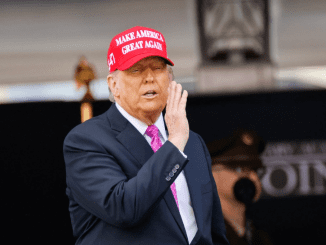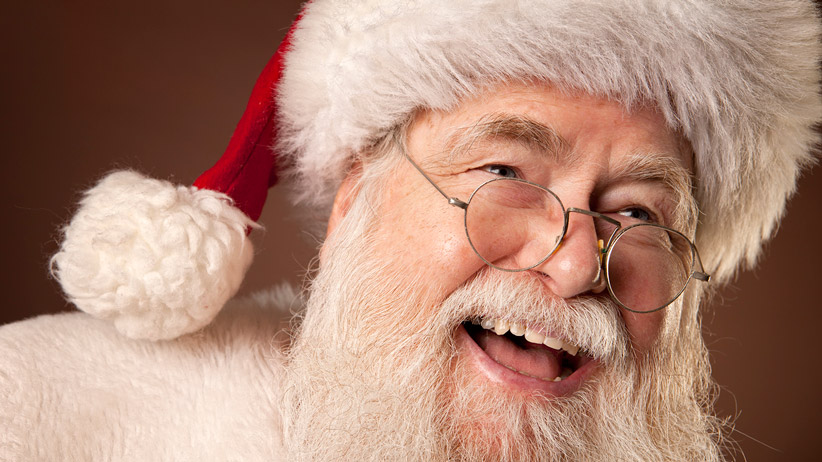
In the festive swirl of Christmas 2025, a viral quip has taken aim at lingering political bitterness: “Don’t pick on children for believing in Santa—I know adults who believed Kamala Harris should be president.” The line, circulating widely on social media, uses childhood innocence as a punchline to mock supporters of the former vice president, implying their 2024 vote was as fanciful as faith in a jolly gift-bringer.
The joke arrives amid a season meant for joy, yet it underscores America’s enduring partisan scars. Trump’s decisive victory—sweeping swing states and expanding coalitions—left some Democrats grappling with disbelief, mirrored in the gentle teasing of kids awaiting reindeer on rooftops. For critics of Harris, the comparison highlights perceived policy fantasies: expansive social programs, climate initiatives, and identity-focused governance that, in their view, ignored economic realities like inflation and border strains.
Harris backers, however, see the jab as sour grapes from victors unwilling to grant grace. “Children believe in magic because the world hasn’t disappointed them yet,” one supporter noted. “Adults believed in Harris because they saw a path to equity and progress.” Her campaign’s emphasis on reproductive rights and working families resonated deeply with women and minorities, even if it fell short nationally.
As families gather this Christmas Eve, the quip serves as a reminder: Political faith, like Santa’s, can inspire hope—or invite ridicule when dashed. In a divided nation, perhaps the real gift is letting beliefs, childish or adult, coexist without scorn. After all, tomorrow’s dawn brings presents for believers and non-believers alike.