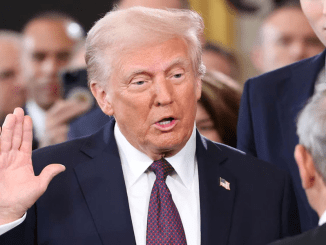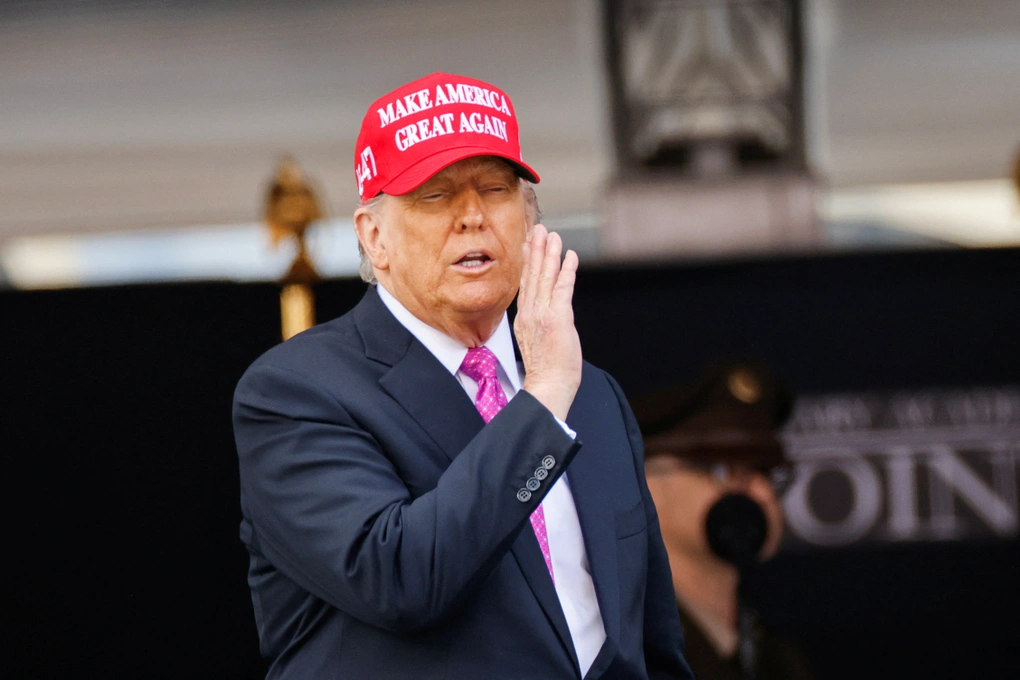
Washington, D.C. – On November 3, 2026, voters will decide the fate of 468 congressional seats—33 in the U.S. Senate and all 435 in the House of Representatives—in a midterm election poised to redefine the 120th Congress during President Donald Trump’s second term. With Republicans holding a 53-47 Senate majority and a 220-215 House edge, the outcome could either bolster Trump’s agenda or hand Democrats a check on his power. As early campaigns heat up, the stakes are high for both parties in a deeply polarized nation.
The Senate races, including 35 seats with special elections in Florida and Ohio, favor Republicans, who defend 22 seats compared to Democrats’ 13. Key battlegrounds include Democratic-held Georgia and Michigan, both narrowly won by Trump in 2024, and Republican-held Maine and North Carolina, per Ballotpedia. Retirements, like Michigan’s Gary Peters and Minnesota’s Tina Smith, open competitive races, while Georgia’s Jon Ossoff faces a tough re-election. Republicans, buoyed by a favorable map, need only hold ground to maintain control, but Democrats aim for a net gain of four seats to flip the chamber, per Sabato’s Crystal Ball.
In the House, Democrats need a net gain of three seats to reclaim the majority, a feasible target given historical midterm trends where the president’s party loses an average of 25 seats, per the University of California-Santa Barbara. The Democratic Congressional Campaign Committee targets 35 Republican seats, including those in New York and California, where Kamala Harris won districts in 2024, per NBC News. Vulnerable GOP incumbents, like Florida’s Cory Mills and Tennessee’s Andy Ogles, face scrutiny over controversies, while retirements, such as Kentucky’s Andy Barr for a Senate run, create open races.
Both parties face challenges. Republicans grapple with internal fractures, as seen in four senators opposing Trump’s “Big Beautiful Bill,” risking voter backlash. Democrats must overcome Biden’s low approval legacy and Harris’s 2024 loss, though generic ballot polls favor them by 1.5 points, per RealClearPolitics. Issues like Trump’s tariffs, which raised prices, and DOGE’s federal layoffs could sway moderates, per The Hill. Ticket-splitting, evident in 2024’s Arizona and Maryland races, may again shape outcomes, per UMBC.
The midterms will test whether voters endorse Trump’s policies, from border security to tax cuts or demand balance in a Congress where approval ratings hover at 31%, per Gallup. As candidates navigate a volatile electorate, the 2026 elections promise a pivotal moment for America’s political future.