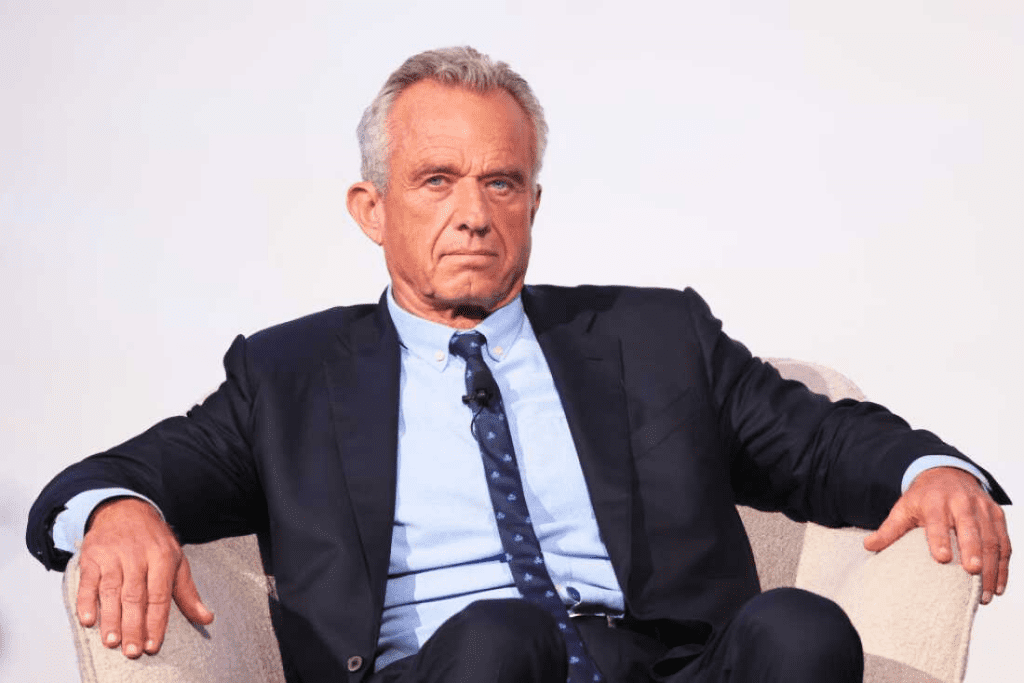
The confirmation of Robert F. Kennedy Jr. as Health and Human Services Secretary in January 2025 has triggered a seismic shift in the food industry, with major companies like General Mills and Kraft Heinz committing to phase out artificial food dyes. For years, advocates like Vani Hari, who delivered 400,000 petition signatures to Kellogg’s in 2024, pressed for change, citing links to hyperactivity and potential cancer risks in children. Yet, industry giants resisted, prioritizing vibrant colors to boost sales despite natural alternatives used in Europe and Canada.
Kennedy’s appointment, backed by President Trump’s “Make America Healthy Again” agenda, changed the calculus. In a March 2025 meeting, Kennedy issued an ultimatum to CEOs of PepsiCo, Kellogg’s, and others, demanding synthetic dyes like Red No. 40 and Yellow No. 5 be removed by 2028. His oversight of the FDA, which regulates 80% of the food supply, and threats of regulatory action forced companies to act swiftly. The FDA’s January 2025 ban on Red No. 3, linked to cancer in rats, set a precedent, but Kennedy’s aggressive push for all eight petroleum-based dyes accelerated reform.
Critics argue companies could have acted earlier, as natural dyes like beet juice were viable. Consumer demand for bright colors and lax FDA oversight under prior administrations delayed change. Now, with state bans like West Virginia’s and Kennedy’s pressure, firms are reformulating products to avoid a patchwork of regulations. While some, like Mars, resist due to candy’s vibrant appeal, most are complying to align with public health trends. Kennedy’s confirmation proved the catalyst, proving that strong leadership can override industry inertia to prioritize safer foods.