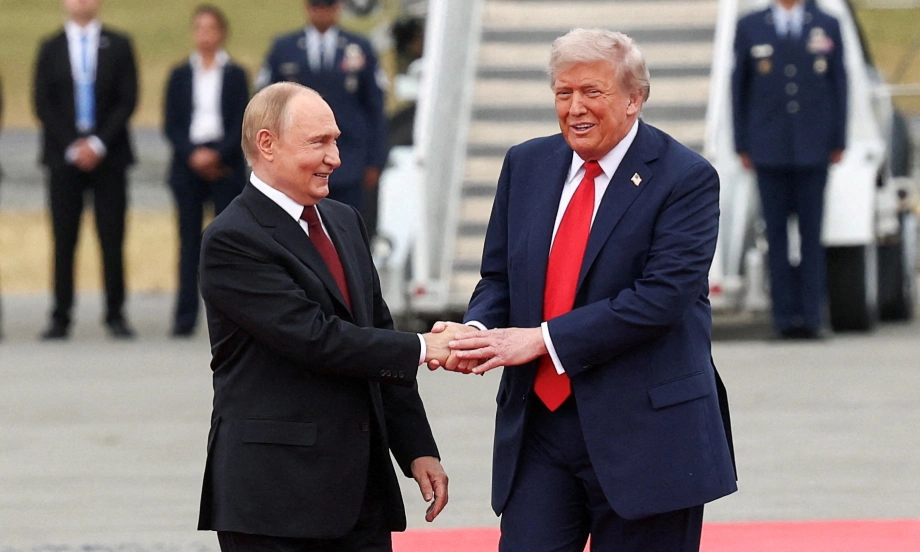
On August 15, 2025, Presidents Donald Trump and Vladimir Putin announced a preliminary agreement following a high-stakes summit at Joint Base Elmendorf-Richardson in Anchorage, Alaska, aimed at addressing Russia’s war in Ukraine. Speaking at a brief joint press conference, Putin expressed hope that the agreement “will pave the path towards peace in Ukraine,” though he provided no specifics. Trump described the nearly three-hour talks as “extremely productive,” noting “many points” of consensus but emphasized, “There’s no deal until there’s a deal,” tempering expectations of an immediate ceasefire.
The summit, marked by a red-carpet welcome for Putin, followed months of Trump’s efforts to broker peace, a key campaign promise. While details remain undisclosed, Putin alluded to addressing “root causes” of the conflict, including Ukraine’s NATO ambitions, while Trump stressed he would consult Ukrainian President Volodymyr Zelenskyy and NATO allies next. The exclusion of Zelenskyy from the talks raised concerns among European leaders, who fear concessions favoring Russia.
Analysts suggest the agreement may involve a framework for future negotiations, possibly including a partial ceasefire or prisoner swaps, but significant hurdles remain, particularly over territorial disputes. Russia controls roughly one-fifth of Ukraine, including parts of Donetsk and Luhansk. Critics warn any deal could legitimize Russia’s gains, while supporters view it as a step toward ending Europe’s deadliest conflict in decades. As Trump plans follow-up discussions, the world awaits clarity on the agreement’s scope and impact.